Pricing starts at $200 for a repair

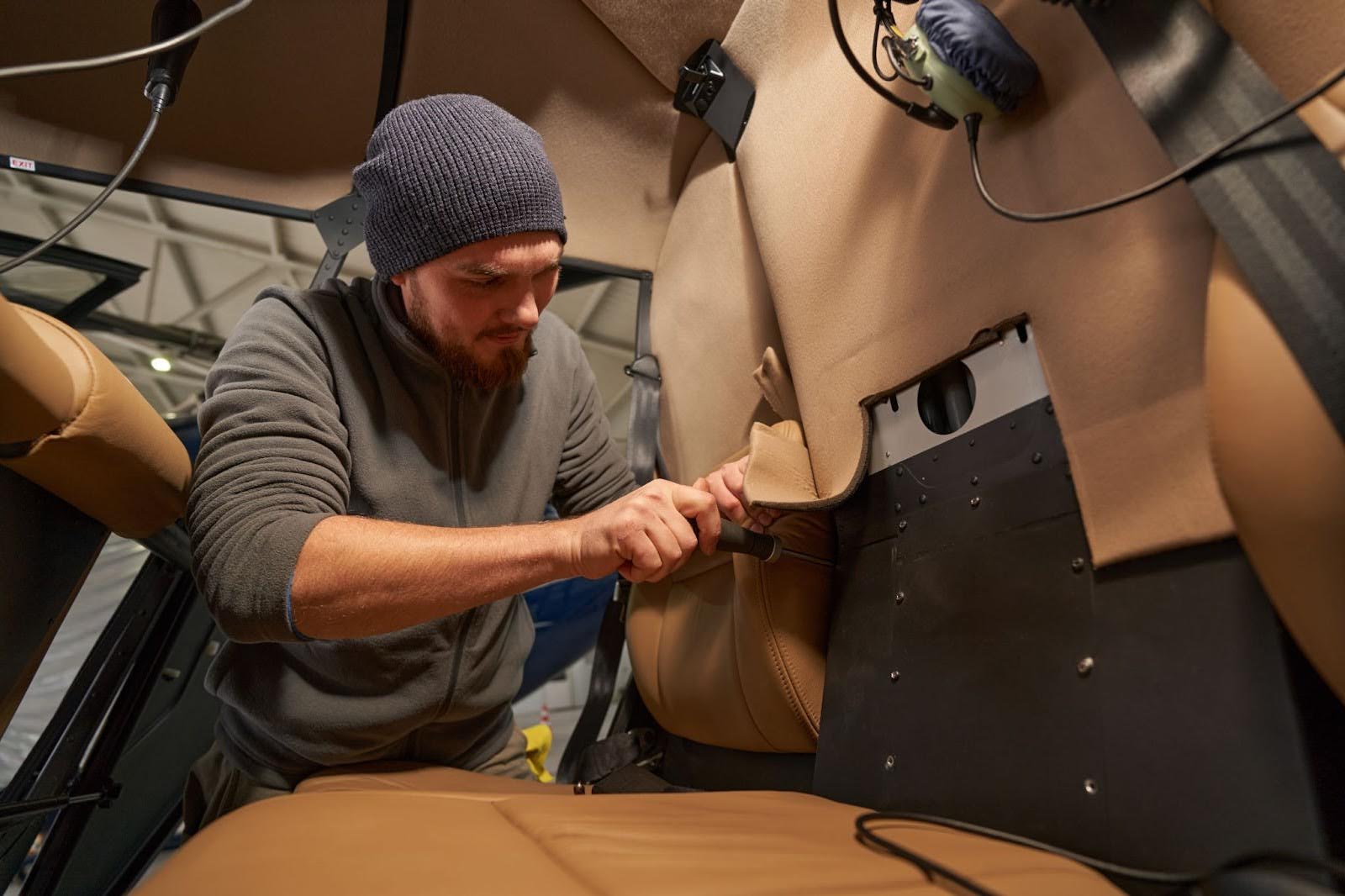
Aircraft refurbishment represents a critical investment in extending the operational life, enhancing passenger experience, and maintaining the asset value of aviation equipment.
Whether you manage a corporate fleet, operate charter services, or maintain a personal aircraft, understanding comprehensive refurbishment is essential. It helps you make informed decisions that balance cost, safety, and performance.
Modern aircraft refurbishment goes far beyond simple maintenance. It’s a strategic approach to revitalizing aging aircraft through systematic upgrades to interiors, avionics, and structural components. This guide explores everything you need to know about aircraft refurbishment, from planning your project to selecting the right service provider.
What Is Aircraft Refurbishment?
Aircraft refurbishment is the comprehensive process of restoring, upgrading, and modernizing an aircraft to improve its condition, functionality, and market value. Unlike routine maintenance that addresses wear and tear, refurbishment involves systematic improvements that can transform an aging aircraft into a like-new asset.
The refurbishment process typically addresses multiple aircraft systems simultaneously, creating a cohesive upgrade that improves the overall aircraft experience.
This integrated approach ensures all improvements work together seamlessly. Updated entertainment systems align with new seating, and lighting designs complement refreshed interior materials.
Types of Aircraft Refurbishment Projects
Aircraft refurbishment projects can range from interior upgrades and avionics modernization to structural repairs and exterior improvements.
Aircraft interior refurbishment
Focuses on the passenger and crew cabin experience. This includes seats, galley equipment, lavatories, lighting systems, carpeting, sidewall panels, and overhead bins.
Interior projects can range from simple cosmetic updates like new seat covers and carpet to complete cabin reconfiguration with new layouts and premium materials.
Avionics upgrades
Modernize the cockpit with contemporary navigation, communication, and monitoring systems. These technological improvements often provide better safety features, improved fuel efficiency through better flight management, and compliance with evolving regulatory requirements.
Structural refurbishment
Addresses the aircraft’s fundamental components, including corrosion treatment, structural repairs, and component replacement. This type of project ensures the aircraft’s continued airworthiness and can significantly extend its operational lifespan.
Exterior refurbishment
Encompasses new paint schemes, window replacement, and exterior surface treatment. A fresh exterior not only improves aesthetics but also protects against environmental damage and can improve aerodynamic efficiency through modern coating technologies.
The Aircraft Interior Refurbishment Process
A successful aircraft interior refurbishment project follows a structured methodology that ensures quality results while minimizing aircraft downtime.
1. Assessment and Planning Phase
Refurbishment starts with a thorough assessment of your aircraft and your goals. Providers inspect for wear, structural issues, and improvement opportunities. You’ll define budget, timelines, and project scope while selecting materials, finishes, and technologies that meet both operational needs and aesthetic preferences.
2. Design and Engineering
Once the scope is determined, the design phase transforms your vision into technical specifications. This includes CAD drawings, FAA-approved materials, and engineered solutions.
Designers balance aesthetics with weight limits, fire safety, and durability, often using lightweight composites to enhance comfort and efficiency. The engineering phase also ensures all modifications meet FAA regulations, with the refurbishment provider managing the certification process.
3. Material Selection and Procurement
Choosing the right materials is crucial for both the immediate success and long-term durability of your refurbishment project.
Aircraft interior materials must:
- Meet strict flammability standards (FAR 25.853).
- Be highly durable under constant use.
- Maintain appearance despite temperature changes and UV exposure.
Seating materials:
- Premium leather is popular for durability and easy maintenance.
- Modern synthetics offer better stain resistance and lower weight.
Other interior materials:
- Carpets must balance comfort with cleanability.
- Sidewalls provide acoustic insulation while meeting weight requirements.
Procurement considerations:
- Custom or specialty materials can take 8–12 weeks to produce.
- Experienced refurbishment providers order materials early to avoid project delays.
4. Disassembly and Preparation
Refurbishment begins by carefully removing existing interior components to access underlying structures, identify hidden damage, and prepare surfaces for new installations. Technicians document the removal process to guide reassembly, which is especially important for complex systems.
The preparation phase also includes structural repairs, corrosion treatment, and surface prep to ensure the longevity of the new interior.
5. Installation and Integration
Installation requires precision and a strong understanding of aircraft systems. Seats must be secured with certified hardware, and electrical systems need correct wiring, circuit protection, and testing.
Modern projects often integrate multiple systems, like LED lighting connected to cabin management and entertainment systems interfacing with electrical and data networks.
Quality control is critical, with inspections at each stage to ensure compliance with manufacturer specifications and regulations.
6. Testing, Certification, and Delivery
Before returning your aircraft to service, comprehensive testing verifies that all systems function properly and safely. This includes electrical system testing, emergency equipment verification, and operational checks of all installed components.
The certification process involves documenting all modifications, providing necessary approvals to aviation authorities, and updating aircraft maintenance records. Your refurbishment provider should supply complete documentation packages that include:
- FAA Form 337 for major alterations
- Supplemental Type Certificate (STC) documentation if applicable
- Updated weight and balance calculations
- Maintenance record entries
- Material certifications and compliance statements
Once testing and certification are complete, you’ll conduct a final acceptance inspection before taking delivery of your refurbished aircraft.
Benefits of Professional Aircraft Refurbishment
Professional aircraft refurbishment delivers lasting value by enhancing comfort, safety, efficiency, and overall aircraft worth.
Enhanced Passenger Experience
Refreshing an aircraft interior greatly improves passenger comfort. Ergonomic seating, modern entertainment systems, and better lighting reduce fatigue and create a pleasant cabin environment.
These upgrades boost business value, with charter operators seeing higher bookings and premium rates, and corporate passengers enjoying greater productivity and feeling more refreshed on arrival.
Increased Asset Value
While aircraft depreciation is unavoidable, strategic refurbishment can slow it and even boost market value. Well-executed interior updates can recover 60-80% of the investment in resale value, with premium projects sometimes exceeding this.
Timing matters: completing refurbishments 18-24 months before a planned sale often maximizes financial return by showing improved condition and capturing value appreciation.
Improved Operational Efficiency
Modern refurbishment technologies can lower operational costs. LED lighting uses less power and lasts longer, lightweight materials reduce aircraft weight for better fuel efficiency, and updated avionics optimize flight planning to save fuel.
Over time, these improvements add up; saving even 50 pounds in weight can cut 1-2% of fuel costs annually, potentially exceeding the initial refurbishment investment over 10 years.
Regulatory Compliance and Safety
Evolving aviation regulations may require updates for older aircraft. Refurbishment enables multiple compliance items to be addressed simultaneously, reducing downtime.
Safety upgrades, such as modern fire suppression, emergency lighting, and communication systems, often exceed minimum standards, providing extra safety margins.
Extended Aircraft Life
A thorough refurbishment can add 10-15 years to an aircraft’s operational life. Addressing interior wear, updating systems, and fixing structural issues early prevents minor problems from becoming major ones.
This approach offers financial benefits by avoiding the high cost of replacement while allowing continued operation of a familiar aircraft with known maintenance and performance characteristics.
Key Considerations When Planning Aircraft Refurbishment
Careful planning of budget, materials, providers, and regulatory compliance is essential for a successful aircraft refurbishment.
Budget and Timeline
Refurbishment costs vary widely depending on scope, from $100,000-$500,000 for a light jet refresh to several million for larger aircraft. Accurate budgeting should include direct costs, interim aircraft rental, and potential revenue loss during downtime.
Timelines should be realistic; rushed projects can compromise quality and increase costs. Most major interior renovations take 8-16 weeks, while complex structural or custom work may exceed 20 weeks.
Materials and Finishes
Material choices affect both aesthetics and long-term satisfaction. Some fabrics wear quickly, while others stay looking new for years, and maintenance needs can impact operating costs.
Balance personal style with resale value, as highly customized designs may reduce market appeal. Professional designers can help meet your preferences while keeping broad appeal.
Selecting a Refurbishment Provider
Your choice of refurbishment provider significantly impacts project success. Look for facilities with:
- Relevant experience: Have they completed similar projects on your aircraft type?
- Proper certifications: Do they hold necessary FAA repair station certificates?
- Quality reputation: What do other aircraft owners say about their work?
- Project management capabilities: Can they coordinate complex timelines and multiple vendors?
- Warranty support: What guarantees do they provide on workmanship and materials?
Visit potential providers’ facilities if possible. Observe their work areas, meet their team, and examine completed projects. The investment in provider selection pays dividends throughout your project and in years of satisfied aircraft operation afterward.
Regulatory and Certification Requirements
All aircraft modifications must meet regulatory requirements, such as FAA guidelines in the U.S. Major interior changes usually need engineering analysis, documentation, and formal approval.
Work with providers experienced in certification, as bypassing proper processes creates safety risks and legal liabilities and can sharply reduce aircraft value during pre-purchase inspections.
Trends in Modern Aircraft Refurbishment
Modern aircraft refurbishment focuses on innovation, comfort, and efficiency. Key trends include sustainability, advanced technology, flexible layouts, and passenger wellness.
Sustainable and Eco-Friendly Materials
Sustainability is now an operational priority in aviation. Modern refurbishments use recycled, low-impact, and recyclable materials that often match or exceed traditional options in durability and maintenance.
Advanced Technology Integration
Modern aircraft interiors resemble high-end consumer tech. High-speed Wi-Fi lets passengers work or stream, and touchscreen controls manage lighting, temperature, and entertainment.
Cabin systems can also connect to flight management computers, delivering real-time flight, weather, and destination info to passengers.
Modular and Flexible Cabin Designs
Modular seating and quick-change monuments let aircraft switch easily between missions, such as executive, family, or cargo, without long downtime. This flexibility is especially valuable for charter operators serving different customer needs throughout the week.
Wellness-Focused Interiors
Passenger wellness is now a key design priority. Circadian lighting adjusts color temperature to reduce jet lag. Advanced air filtration removes particles and pathogens, while ergonomic seating lowers fatigue on long flights.
Aircraft Refurbishment vs. Regular Maintenance
Understanding the difference between refurbishment and maintenance is key for long-term aircraft planning.
Maintenance focuses on immediate airworthiness needs:- Replacing worn components.
- Performing inspections.
- Completing manufacturer-required service bulletins.
- Future requirements.
- Overall aircraft value.
- Comfort, competitiveness, and market appeal.
Combining both approaches is ideal. Maintain regular maintenance for safety and reliability, and plan strategic refurbishments to address wear and add technological upgrades.
Common Aircraft Refurbishment Mistakes to Avoid
The following mistakes are among the most common and the most costly when planning and executing a refurbishment.
Underestimating Project Complexity
Aircraft refurbishment is often more complex than it appears, so budget extra time and cost for structural and systems changes.
Choosing Style Over Substance
Attractive interiors that lack durability lead to operational issues, so prioritize materials that perform reliably in real-world aviation conditions.
Neglecting Documentation
Incomplete documentation can lead to regulatory and resale issues, so ensure all maintenance records and refurbishment documents are fully updated and delivered.
Delaying Necessary Structural Work
Cosmetic upgrades without fixing structural issues create a false economy. Address corrosion and fatigue first so the refurbishment rests on a sound structure.
Inadequate Planning for Downtime
Aircraft downtime affects operations and revenue, so schedule refurbishment during low-utilization periods or arrange backup coverage.
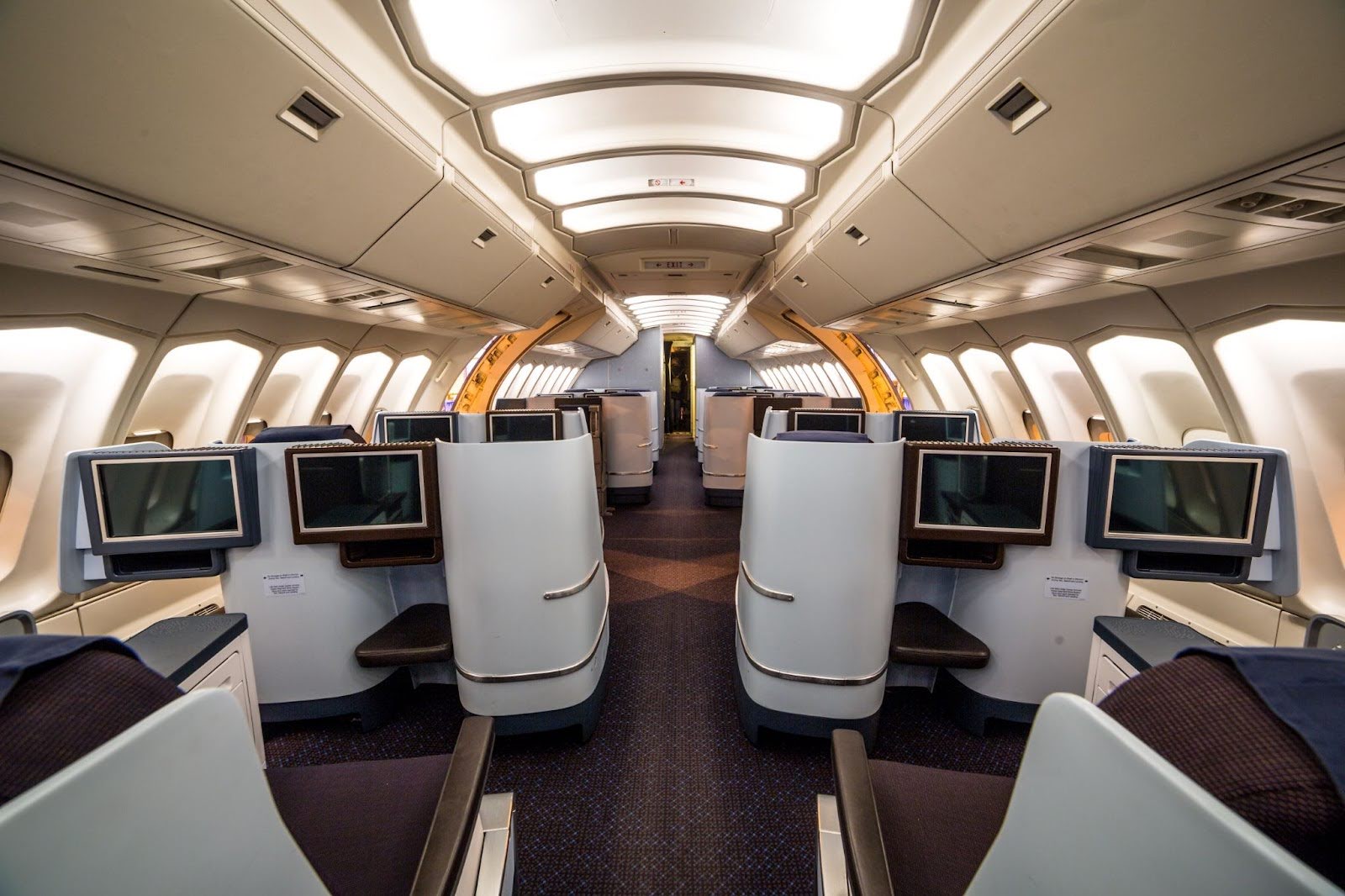
Transform Your Aircraft with Professional Refurbishment
Aircraft refurbishment is more than a cosmetic upgrade; it’s a strategic investment that enhances safety, comfort, efficiency, and long-term value.
By combining thoughtful planning, professional expertise, and high-quality materials, we help owners transform aging aircraft. This process creates modern, reliable assets that meet both operational needs and passenger expectations.
Ready to elevate your aircraft? Partner with AutoDocNW to explore interior upgrades, advanced technologies, and customized solutions that keep your aircraft performing and looking its best. Contact us today to start planning your next refurbishment project.
Frequently Asked Questions
About Aircraft Refurbishment
How long does aircraft interior refurbishment take?
Most aircraft interior refurbishments take 8–16 weeks, depending on project scope. Minor updates may take 3–4 weeks, while custom or complex projects can exceed 20 weeks.
What’s the average cost of aircraft refurbishment?
Costs vary by aircraft size and scope, with light jet interiors typically starting at $100,000–$300,000. Mid-size and large cabin aircraft can range from $500,000 to over $5 million for comprehensive refurbishments.
Can I use my aircraft during refurbishment?
In most cases, the aircraft must be removed from service during refurbishment. Major interior work requires disassembly that makes the aircraft temporarily unairworthy.
How often should aircraft undergo refurbishment?
High-utilization aircraft typically benefit from refurbishment every 5–7 years, while lower-use aircraft may extend 10–15 years. Timing should be based on wear, usage, and market expectations.
Will refurbishment affect my aircraft’s certification?
Properly executed refurbishments maintain existing certifications and may add approved upgrades. Major modifications require FAA approval, which experienced providers manage as part of the process.
Do I need to reconfigure my cabin layout during refurbishment?
No, you can refresh materials and systems while keeping your current layout. Refurbishment simply provides the option to improve layout if desired.
What’s the return on investment for aircraft refurbishment?
Well-planned refurbishments typically recover 60–80% of costs in resale value. Additional benefits include lower operating costs and improved passenger satisfaction.
Can I fly internationally with a refurbished aircraft?
Yes, certified refurbishments do not limit international operations. All modifications must be properly documented to meet international regulatory requirements.