Pricing starts at $200 for a repair

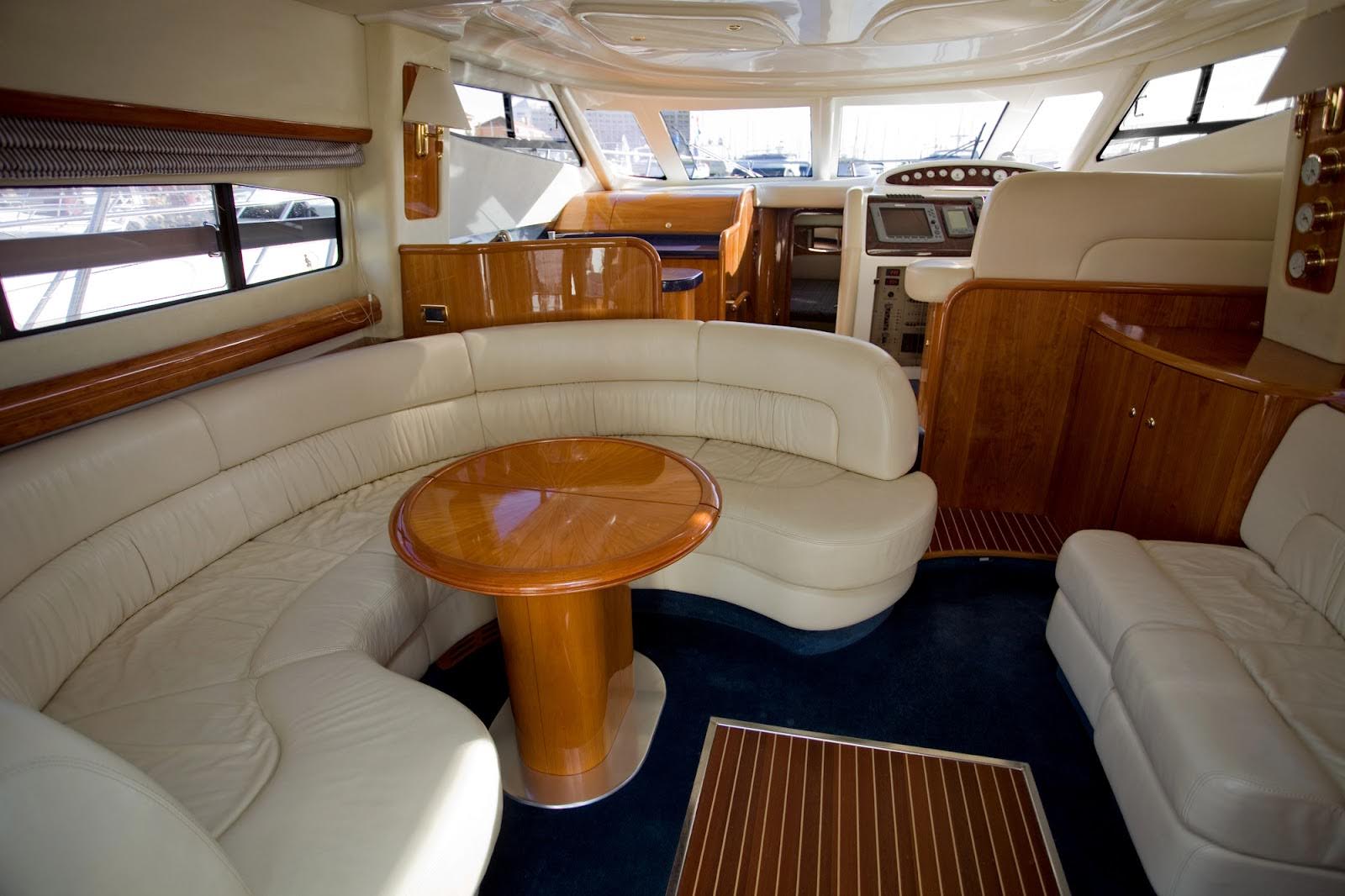
A boat can run perfectly and still look worn out. In fact, interior damage is one of the first things buyers notice. Marine vinyl takes constant abuse from sun exposure, moisture, sunscreen, fish residue, and foot traffic. After five to ten seasons, cracked seats and faded cushions become common. That is when most owners start asking: how much does it cost to reupholster a boat in 2026?
Reupholstery restores comfort, appearance, and resale value without replacing the entire vessel. This article breaks down the cost to reupholster a boat, cost factors, material options, and value comparisons so you can plan your project with confidence.
What Is the Average Cost to Reupholster a Boat in 2026?
The average cost to reupholster a boat in 2026 falls between $2,000 and $5,000 for most standard 18 to 24-foot recreational boats. That range typically covers removal of old vinyl, installation of new marine-grade vinyl, minor foam replacement, and professional installation. Pricing reflects the level of craftsmanship of an expert boat & marine upholstery repair professional, plus the materials that must withstand constant UV exposure, moisture, and heavy use.
Smaller fishing boats with limited seating may cost between $800 and $1,500. Larger bowriders, pontoons, and deck boats often range from $3,000 to $7,000, depending on layout and material quality. However, understand that every boat has a unique seat configuration.
Always remember, upholstery is custom work. No universal pricing chart exists because no two interiors age the same way. Premium vessels, cruisers, and cabin boats can exceed $10,000 to $20,000 for full interior restoration. The final number depends on material grade, foam replacement, stitching design, and structural repairs.
What Factors Increase or Reduce Marine Upholstery Pricing?
Boat reupholstery pricing depends on material selection, labor hours, and the overall condition of the structure underneath the vinyl. Boat size and seat complexity directly affect labor time. Curved cushions, tight corners, and custom stitching increase production hours. Straight bench seating costs less than sculpted captain’s chairs with accent piping.
Material quality also influences price. Marine-grade vinyl is engineered to resist UV rays, salt, and moisture. Entry-level vinyl costs less per yard but may fade faster. Premium vinyl includes UV stabilizers, mildew resistance, and cold-crack protection. The difference in durability can add years of life.
Foam replacement adds cost but improves comfort and longevity. High-density marine foam drains moisture more effectively and maintains shape longer. If foam feels soft, stays damp, or smells musty, replacement is recommended.
Structural damage beneath the cushions may require replacing the plywood or backing board. Boats exposed to rain and lake water often develop rot in seat bases. That repair work increases labor but prevents future problems.
Is It Cheaper to Reupholster or Buy New Boat Seats?
In most situations, reupholstery costs less than full replacement. New OEM marine seats can range from $1,000 to $3,000 per section, and older models may no longer have factory replacements available.
Reupholstery preserves the original fit and mounting hardware. It also allows you to upgrade materials without altering the boat’s design. Replacement is recommended if the seat frames are cracked or severely damaged. If the frame remains solid, new vinyl and foam typically restore appearance at a lower cost. For well-built boats, restoring existing seating often delivers better value.
How Long Will New Marine Upholstery Last?
Most professionally installed marine vinyl lasts five to ten years. Longevity depends on climate, storage, and maintenance. Boats stored uncovered in direct sunlight fade faster. UV exposure breaks down vinyl over time. Covered storage and regular cleaning extend lifespan.
Using marine-safe cleaners and avoiding harsh chemicals protects stitching and surface coatings. Proper installation also matters. Sealed seams, stainless staples, and correct tension prevent premature failure.
Most importantly, investing in higher-grade vinyl may cost more initially but reduces the likelihood of early cracking or peeling.
Does Reupholstering a Boat Increase Resale Value?
Yes, reupholstering a boat increases resale value. Buyers are meticulous and inspect seating closely. Seeing cracked vinyl or mildew stains creates concerns about maintenance. Having fresh marine upholstery improves presentation and buyer confidence.
On boats in the $20,000 to $60,000 range, updated seating often helps sellers recover most of the reupholstery cost during negotiations. A clean interior also photographs better in listings, increasing buyer interest.
What Are the Signs That It Is Time to Reupholster Your Boat Seats?
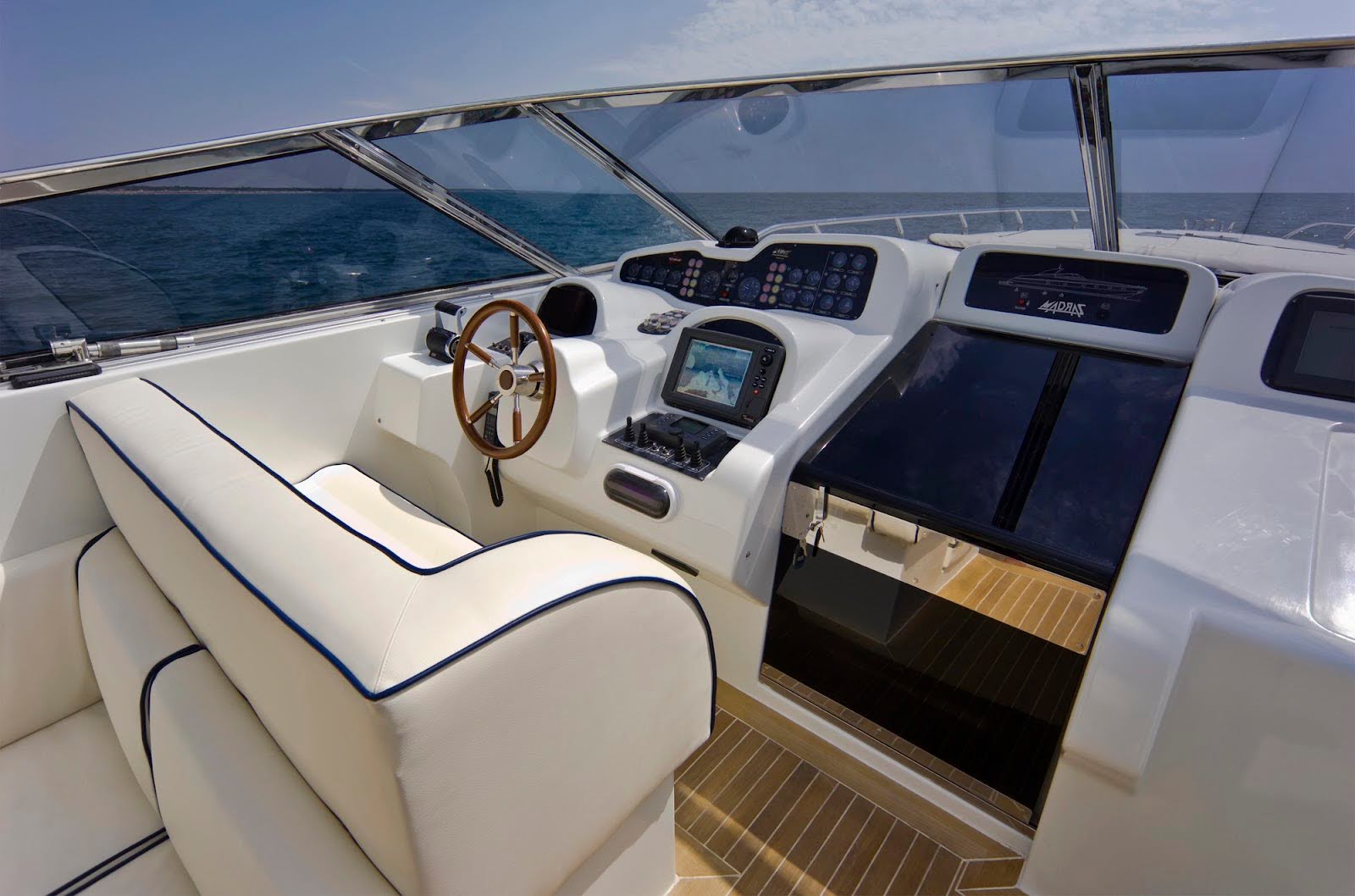
1. Visible Cracks, Peeling, or Surface Breakdown
When vinyl begins to crack or peel, it means UV degradation and polymer breakdown. This is not just cosmetic. Cracked vinyl allows moisture to penetrate the foam, accelerating foam breakdown and leading to odor, microbial growth, and faster overall interior failure.
2. Split Seams and Frayed Thread
Seams fail first in high-stress areas. This includes around bolsters, corners, and where people sit most often. Split stitches aren’t just unsightly. They cause the panel tension to shift, which puts added stress on adjacent seams and can warp cushion shape over time.
3. Foam That Feels Flat, Heavy, or Drenched
When foam no longer springs back or feels heavy after rain or washing, it is holding moisture. Saturated foam does not dry well inside a vinyl shell. Moisture accelerates rot in wood backing boards and causes mildew growth. Simply replacing the vinyl without replacing the affected foam rarely solves the problem.
4. Odor That Won’t Go Away and Mildew Accumulation
If a musty smell lingers after cleaning, microbes have likely developed deep inside the foam or backing. Surface cleaning alone will not fix it. This is a strong signal that service is needed now rather than later.
5. Color Fading and UV Damage
While fading may seem cosmetic, it is actually a performance issue. Vinyl that has faded significantly has lost much of its UV protection. This means the material is closer to failure. Heat and sunlight weaken vinyl fibers, making them brittle and more prone to cracking under pressure.
6. Loose Fit or Deformed Cushion Shape
Cushions should hold firm contours. When they start to sag, balloon, or lose shape, the foam and internal webbing are compromised. This does not resolve itself and usually calls for both foam rework and vinyl replacement.
7. Water Stains or Wet Spots That Return Quickly
If you see water marks or wet seams even after a simple wash, it tells experienced upholstery techs that water is seeping behind the vinyl. Unless this is corrected during reupholstery, the problem will return.
Why Early Detection Matters to Your Costs
Waiting until damage becomes severe almost always increases the final price. Minor cracks and seam issues often require only panel replacement and stitching. That typically costs far less than a full cushion rebuild. For water-soaked foam and damaged backing, they require foam replacement and sometimes wood repair. These add labor time, and time directly translates to cost. If rot sets into seat bases, you are no longer dealing with upholstery alone. You are dealing with structural repair.
Can Marine Upholstery Services Reduce Hassle and Cost?
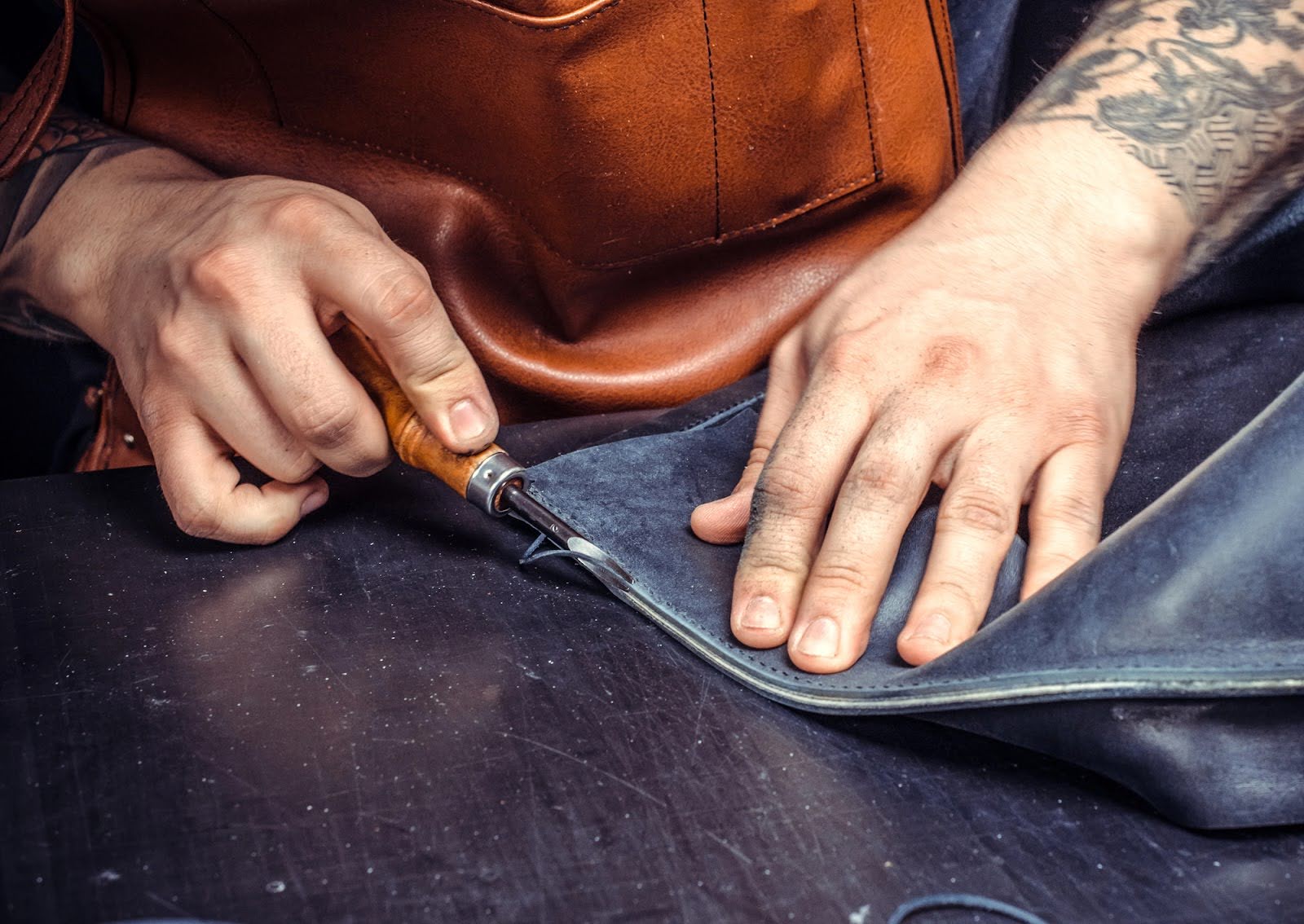
Transporting a boat to a shop can be inconvenient. Trailer logistics and marina scheduling add complexity. That is where mobile service becomes valuable. AutoDoc NW provides mobile boat and marine upholstery repair services across Pierce County and South King County. For many marine repairs, on-site service eliminates transport costs and scheduling delays.
Our marine upholstery services include seat repair, vinyl replacement, foam reshaping, and marine carpet updates. Smaller projects, such as torn panels or sun pad repairs, can often be handled without removing the boat from its location.
For full interior rebuilds, components may need to be fabricated in-shop. Even then, initial inspection and consultation can occur on-site. If you are in Washington and asking how much it costs to redo a boat interior, working with an experienced provider simplifies the process.
Is Reupholstering Your Boat Worth the Cost?
Boat ownership involves maintenance. Upholstery is one of the most visible parts of that investment. When vinyl cracks and cushions sag, the entire vessel feels older than it is. Reupholstery costs far less than buying a new boat. It often costs less than a full seat replacement. It also restores comfort and appearance while protecting resale value.
At AutoDoc NW, we help boat owners restore their marine interiors with professional upholstery repair and replacement. We bring over 25 years of craftsmanship and mobile convenience directly to you. Contact us today to schedule your marine upholstery consultation and bring your boat back to life.
Frequently Asked Questions About Boat Reupholstery Costs
How long does boat reupholstery usually take?
Turnaround time depends on the size of the boat and the scope of work. Small seat repairs can often be completed in a single day. A full interior reupholstery project typically takes one to three weeks. Custom stitching, foam rebuilds, and specialty materials can extend the timeline. Seasonal demand also affects scheduling, especially in spring and early summer.
What type of vinyl is best for marine upholstery?
Marine-grade vinyl with UV inhibitors, mildew resistance, and cold-crack protection performs best in most climates. Look for vinyl rated specifically for marine use, not automotive or residential. Higher-quality marine vinyl resists fading and surface cracking longer, especially in boats stored in direct sun. Thread should also be UV-resistant polyester to prevent seam failure.
Can moldy boat cushions be saved, or do they need replacement?
Surface mildew on vinyl can often be cleaned. However, if moisture has penetrated the foam core, replacement is usually necessary. Marine foam that retains water breaks down over time and creates odor issues. In those cases, replacing the foam while reusing or replacing the vinyl cover provides a longer-lasting solution.
Will insurance cover boat upholstery damage?
Insurance may cover upholstery damage if it results from a covered event such as storm damage, vandalism, or an accident. Normal wear, sun fading, and age-related cracking are typically considered maintenance and are not covered. It is best to review your marine policy and document damage with photos before filing a claim.
How can I extend the life of newly reupholstered boat seats?
Proper care significantly increases lifespan. Store the boat under cover when possible. Use fitted covers to block UV exposure. Clean vinyl regularly with marine-safe products and avoid harsh household cleaners. After heavy rain, allow cushions to dry fully before covering. Routine maintenance protects your investment and keeps the interior looking fresh for years.