Pricing starts at $200 for a repair

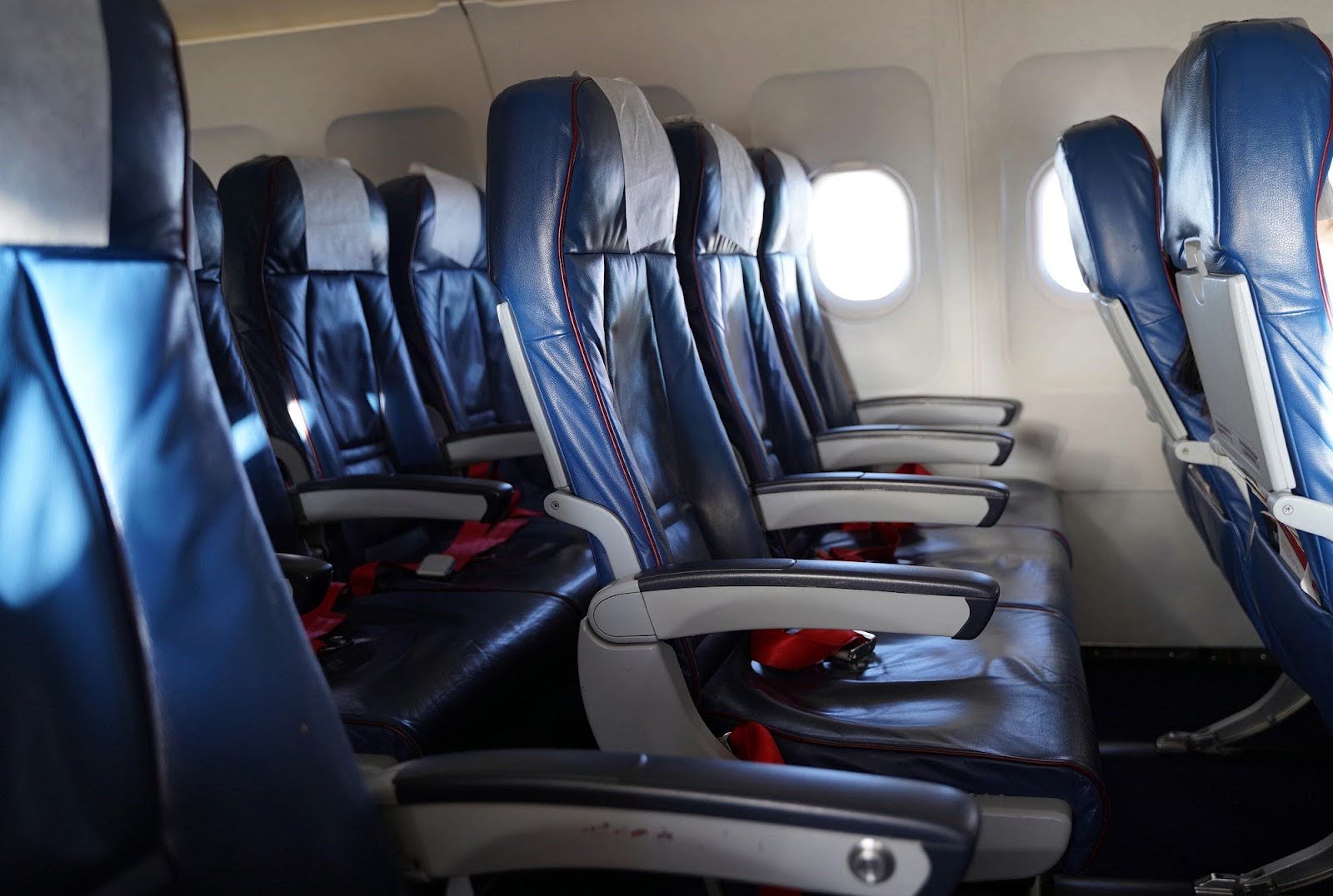
Aviation safety standards have advanced significantly over the last several decades. As aircraft engineering continues to improve, passenger expectations have evolved as well. Today, aircraft owners focus not only on performance and compliance but also on cabin comfort, presentation, and long-term durability.
Aircraft refurbishment plays a direct role in protecting an aircraft’s value and enhancing the in-flight experience. From targeted airplane upholstery repair to full aircraft cabin renovation, interior upgrades combine craftsmanship, regulatory awareness, and material performance. This guide explains what aircraft interior refurbishment includes, when it makes sense, and how to choose the right aviation interior refurbishment services for lasting results.
What Does Aircraft Interior Refurbishment Cover?
Aircraft interior refurbishment includes restoring, upgrading, or replacing cabin components that show wear or no longer meet aesthetic expectations. The scope ranges from small repairs to full airplane interior renovation projects.
At a standard level, aircraft leather seat repair addresses cracks, fading, seam separation, and surface wear. More advanced airplane seat refurbishment may involve replacing foam padding, reinforcing seat frames, and installing new aviation-grade leather. Larger aircraft cabin renovation projects can include new carpeting, refinished sidewalls, restored headliners, and updated trim panels.
Unlike automotive interiors, aviation interior work must meet strict material and installation standards. Fabrics and leathers must be flame-resistant. Adhesives and thread must meet aviation specifications. Every change must maintain compliance with airworthiness requirements. That’s why aircraft upholstery repair services demand precision and accountability.
Why Do Aircraft Owners Choose Refurbishment Instead of Full Replacement?
Interior replacement can be expensive and time-consuming. In many cases, aircraft interior refurbishment restores the appearance and comfort of the cabin without removing entire assemblies.
Aircraft leather seat repair is often the most practical solution when damage is limited to the surface. Skilled aviation upholstery specialists clean the material, repair cracks, match color tones, and apply protective finishes. When internal cushioning has compressed, airplane seat refurbishment may include replacing foam to restore support.
Refurbishment also reduces aircraft downtime. Operators who rely on private jets for business travel cannot afford extended maintenance windows. Repair and restoration offer faster turnaround while preserving the original structure.
Beyond cost savings, refurbishment protects resale value. A clean and updated aviation interior signals proper care and consistent maintenance.
How Does Aircraft Refurbishment Compare to Automotive Upholstery?
Aircraft interior refurbishment and automotive upholstery share similar craftsmanship foundations, but the standards, materials, and regulatory requirements differ significantly.
| Category | Aircraft Interior Refurbishment | Automotive Upholstery |
|---|---|---|
| Regulatory Oversight | Must comply with aviation standards and approved materials | No FAA compliance required |
| Material Requirements | Flame-resistant, aviation-certified leather, vinyl, foam, and adhesives | Standard automotive-grade materials |
| Weight Considerations | Materials must balance durability with weight limitations | Weight is rarely a limiting factor |
| Environmental Exposure | Must withstand cabin pressure changes, altitude shifts, UV exposure, and temperature variation | Primarily exposed to ground-level temperature changes and sunlight |
| Documentation | Requires material documentation and installation records for compliance | Minimal documentation required |
| Repair Standards | Focus on compliance, durability, and airworthiness | Focus on comfort, appearance, and durability |
| Downtime Sensitivity | Aircraft downtime impacts operations and scheduling | Vehicle downtime is typically less operationally critical |
What Materials Are Used in Aviation Interior Refurbishment Services?
Aircraft interiors demand materials that perform under pressure and temperature changes. Standard upholstery materials do not qualify. Approved aviation interior refurbishment services use:
- Flame-resistant leather
- FAA-compliant vinyl
- Aviation-grade foam
- Lightweight composite panels
- Certified adhesives and thread
Aircraft leather seat repair often includes specialty dyes formulated for aviation use. These dyes penetrate the leather while maintaining flexibility. Proper sealing prevents cracking and fading.
When Is Airplane Upholstery Repair Enough?
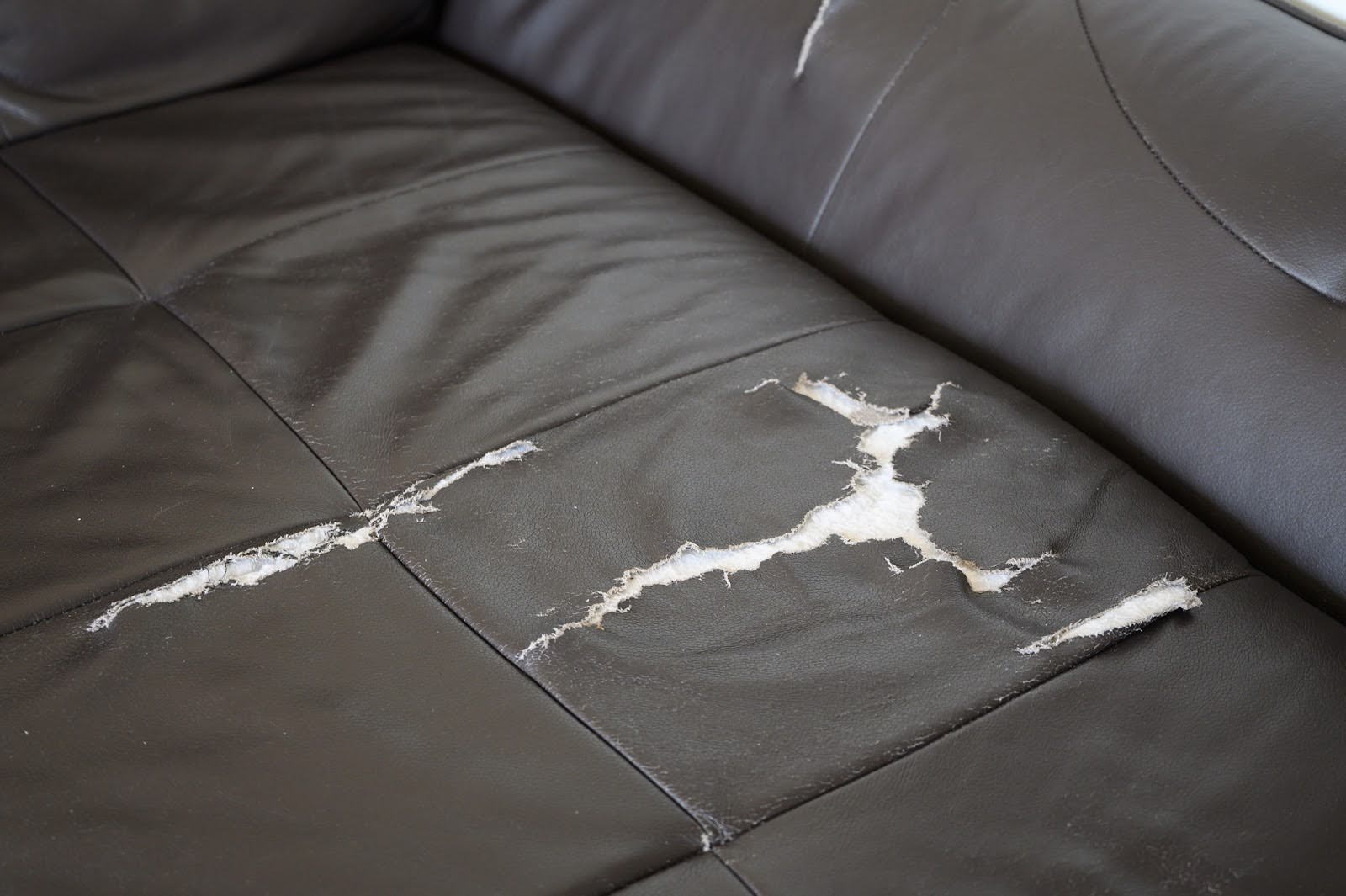
Not every cabin issue requires a full renovation of the airplane interior. Minor tears, surface cracking, and worn seams often respond well to airplane upholstery repair.
Leather restoration techniques allow technicians to clean, fill, sand, recolor, and seal damaged areas. When performed correctly, repaired sections blend seamlessly with surrounding surfaces. Early intervention prevents small imperfections from spreading into larger structural damage.
If the seat foam has deteriorated or the frame components show weakness, airplane seat refurbishment may be necessary. In those cases, both structural and cosmetic restoration work together to improve comfort and safety. The right solution depends on the condition of the materials beneath the surface.
How Do Aviation Upholstery Specialists Maintain Compliance?
Aviation upholstery specialists understand that aircraft interior refurbishment must meet regulatory standards. Each material used inside the cabin must satisfy fire-resistance guidelines. Installation procedures must align with aviation maintenance protocols.
Proper documentation supports inspection requirements. Reputable aviation interior refurbishment services maintain records of material specifications and installation methods. This documentation ensures that upgrades do not interfere with certification requirements.
Aircraft owners should confirm that technicians understand aviation compliance before beginning work. Upholstery experience alone is not enough. Aviation interiors demand both craftsmanship and regulatory awareness.
Can Aircraft Interior Repairs Be Performed On-Site?
In some cases, yes. Minor aircraft leather seat repair and limited airplane upholstery repair can be completed at a hangar location. Mobile assessment allows technicians to inspect damage, evaluate material condition, and determine scope without relocating the aircraft.
Larger aircraft cabin renovation projects typically require component removal. Panels, seats, and trim sections may need to be disassembled for detailed restoration work. That’s why on-site evaluation offers more benefits. It reduces scheduling delays and allows aircraft owners to receive accurate estimates before committing to larger upgrades.
How Can AutoDoc NW Support Aircraft Interior Refurbishment Needs?
At AutoDoc NW, we bring over 25 years of hands-on upholstery experience to every restoration project. Our work extends to aircraft upholstery services performed with precision and care. We handle airplane upholstery repair, aircraft leather seat repair, seam reinforcement, and detailed surface restoration for leather and vinyl interiors. Each repair focuses on restoring strength, appearance, and durability. Our goal is to return materials to a clean, professional finish that blends naturally with the existing cabin design.
Aircraft interior refurbishment requires careful attention to detail and a strong understanding of performance standards. We thoroughly assess the material condition before recommending repair or refurbishment. When appropriate, we offer mobile evaluations to inspect cabin damage and provide accurate recommendations.
Protect Your Aircraft Interior with the Right Partner
Aircraft interior refurbishment demands skill, compliance awareness, and careful material selection. At AutoDoc NW, we approach every aircraft upholstery project with precision and care. We restore interiors with respect for performance, durability, and presentation. Our experience allows us to assess damage accurately and recommend the right level of repair.
If your aircraft interior shows signs of wear or needs professional restoration, contact us today. We are ready to help you bring your cabin back to a clean, comfortable, and professionally restored condition.
Frequently Asked Questions
How often should an aircraft interior be refurbished?
Most private aircraft interiors need cosmetic updates every five to seven years, depending on usage. High-frequency charter aircraft may require attention sooner. Leather conditioning, minor airplane upholstery repair, and trim restoration can extend the timeline between major refurbishments. Regular inspections during annual maintenance help identify early wear.
Can aircraft seats be reupholstered without removing them from the plane?
In some cases, yes. Surface-level repairs to aircraft leather seats and minor stitching corrections can be completed while the seats remain installed. However, full-seat refurbishment, foam replacement, or structural adjustments typically require removing the seat to ensure proper installation and compliance.
Does interior refurbishment require FAA approval?
Interior work must follow FAA material and flammability standards. Cosmetic repairs that do not alter structural components are often considered minor maintenance. Larger aircraft cabin renovation projects may require documentation or logbook entries. Coordination with a certified maintenance technician ensures compliance.
What is the difference between refurbishment and overhaul for aircraft interiors?
Refurbishment focuses on restoring appearance and comfort through upholstery replacement, panel refinishing, and cosmetic upgrades. An overhaul may involve structural modifications, reconfiguration of seating layouts, or installation of new cabin systems. Refurbishment improves aesthetics and usability without altering the aircraft’s certified configuration.
How can I maintain my aircraft interior after refurbishment?
Use aviation-approved cleaning products and avoid harsh chemicals. Condition leather regularly to prevent drying and cracking. Address small tears or seam separation quickly before they spread. Protect the cabin from prolonged UV exposure when parked. Consistent care preserves the results of aircraft interior refurbishment and reduces long-term repair costs.