Pricing starts at $200 for a repair

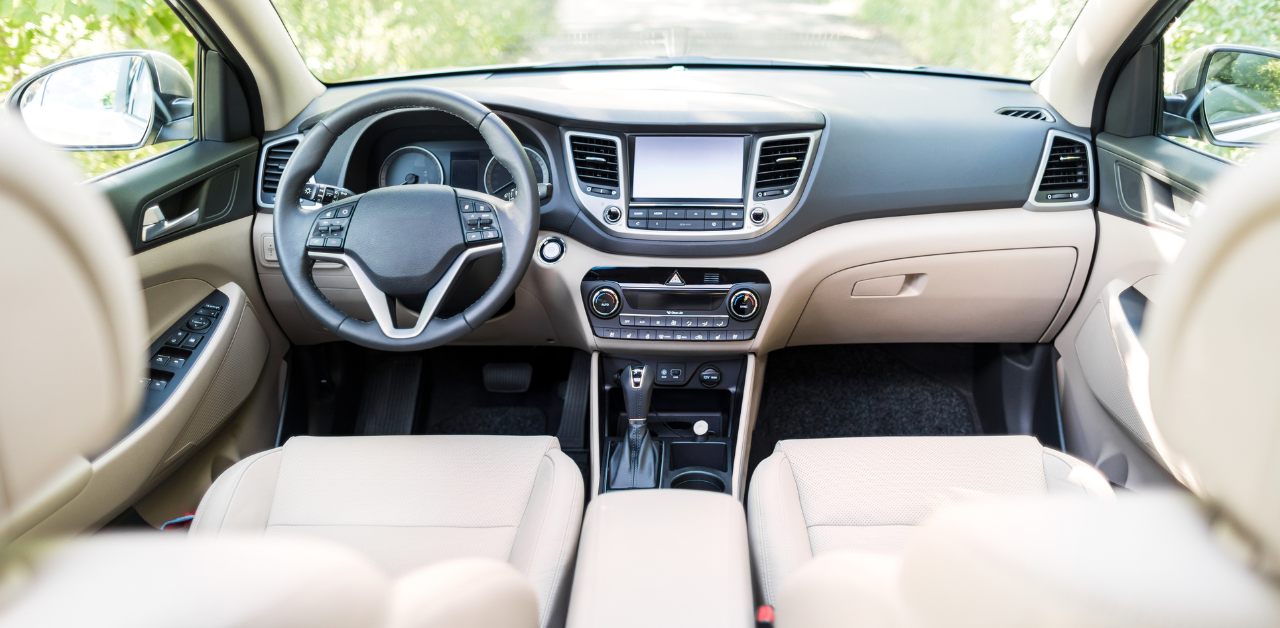
Sun damage starts quietly. First, your seats lose some color. Then the surface feels dry, stiff, or rough. After enough heat and UV exposure, leather can crack, vinyl can get brittle, and cloth can fade unevenly.
The best way to protect car upholstery from sun damage and fading is to block direct sunlight, reduce cabin heat, clean surfaces properly, and keep upholstery conditioned before it dries out. Side and rear glass also matter because standard vehicle glass does not block UVA as well as many people think, which is why sunshades, tint, and regular interior care all work together.
In this article, you will learn how to protect car seats from sun damage, what products and habits actually help, and when professional upholstery repair makes sense.
Why Does Sun Damage Show up Fast on Car Seats and Interior Trim?
Your upholstery sits inside a closed cabin that traps heat. That heat speeds up drying, fading, and surface breakdown. UV exposure adds another layer of damage by weakening dyes, coatings, and top layers on leather, vinyl, fabric, and plastic trim. Over time, the seat bolsters, headrests, and upper seatbacks are usually the first to show signs because they catch direct light through the windshield and side windows.
Leather often dries out first, then starts to look chalky or faded. Vinyl can harden and lose flexibility. Cloth may not crack like leather, but it can still fade, thin out, and hold heat longer. That is why protecting the whole interior matters, not just the dashboard.
How Can You Protect Car Seats From Sun Damage Every Day?
The best protection comes from simple habits done often. Park in covered areas when you can. Use a windshield sunshade every time you leave the car in direct sunlight. Add side window shades for long parking periods, especially if your car spends hours outside at work or at home.
This is also where vehicle sun protection becomes more than a nice extra. It becomes routine care. If sunlight hits the same seat and the same panel every day, damage builds in layers. Blocking that exposure each day does more than one heavy treatment done once a season.
What Role Does Car Glass UV Protection Play Inside the Cabin?
Many drivers assume closed windows solve the problem. They do not. Windshields are laminated and can block much of the harmful UVA that reaches the front of the cabin. Side, rear, and sunroof glass usually performs poorly unless it has added UV film. That is why car glass UV protection and auto glass UV protection matter for the seats next to the windows, not just for driver comfort.
If your car sits outside often, quality window tint or UV-filtering film can reduce exposure that leads to fading and dry surfaces. It will not replace a sunshade or proper upholstery care, but it adds a strong layer of defense. This matters most for light-colored leather, dark dashboards, and vehicles with large glass areas.
Which Products Actually Help Prevent Fading Instead of Just Adding Shine?
Not every interior product helps with sun protection. Some dressings leave a shiny finish but do little to slow fading. For upholstery, the safer approach is to use products made for the material in your car.
For leather, use a cleaner made for automotive leather, then follow with a conditioner that supports moisture balance and surface softness. For vinyl and plastic trim, use a non-greasy protectant labeled for UV protection. For cloth seats, focus on keeping the fabric clean and dry because ground-in dirt and body oils can make fading and wear look worse.
A good product should protect without making the seat slick, sticky, or glossy. If a finish looks wet and unnatural, it often attracts more dust and can leave the interior feeling greasy in hot weather. Clean surfaces first, then protect them. Dirt left behind can grind into the material during daily use.
When Does Parking Choice Matter More Than Any Product You Apply?
Parking habits can do more for upholstery than many people realize. If your car spends eight hours in direct sunlight each day, no spray or conditioner can fully compensate for that exposure. A garage, carport, covered parking deck, or even partial afternoon shade can significantly slow interior wear.
Try to think about the angle of the sun, too. If you cannot find shade, position the car so the strongest sunlight does not hit the same front seat and dash every day. A small change in parking direction can reduce repeated exposure on one side of the cabin. Over time, that helps the interior age more evenly.
This is also why seasonal care matters. Summer puts the most stress on upholstery, but bright sun can still fade interiors in cooler months. Sun damage is not just a July problem.
How Often Should You Clean and Condition Upholstery to Prevent Heat Damage?
A steady care routine works better than waiting until the seats look tired. In most daily drivers, wiping down surfaces every few weeks and applying a fuller interior treatment every couple of months helps prevent damage from building up. Leather usually needs more attention than cloth because it can dry out and show surface wear sooner.
The goal is not to over-treat the seats. Too much product can leave buildup behind. Instead, keep the material clean, remove body oils and dust, and apply protection often enough to keep the surface from drying out. If you notice fading, rough texture, or a dull patch on the side of the driver’s seat, treat that as an early warning sign.
How Can You Tell if Sun Damage Is Still Preventable or Already Repairable?
Early sun damage often looks cosmetic. The color starts to fade. The seat loses softness. Fine surface cracks show up along the bolster. At this point, prevention and light restoration may still help a lot.
Once damage gets deeper, the signs change:
- The leather feels stiff and cracked
- Vinyl starts splitting
- Color loss looks patchy and severe
- The seat surface feels thin or weak
- Repairs from past wear start opening again
When you see those signs, the product alone will not solve the problem. The material may need professional repair, color matching, panel work, or reconditioning. Auto upholstery repair makes the most sense when the structure is still salvageable and the damage has not gone too deep. That is often true for fading, minor cracks, worn bolsters, and moderate surface damage caused by long-term sun exposure.
Where Does Professional Upholstery Repair Fit Into Long-Term Protection?
Prevention helps you avoid damage. Repair helps you stop existing damage from getting worse. That matters when a faded or drying seat already has small cracks, tears, or worn edges. Fixing those areas early can extend the life of the original upholstery and improve the interior’s appearance without the cost of a full replacement.
For drivers in Pierce County and South King County, Auto Doc NW fits naturally into the picture. With 25+ years of upholstery experience, we handle mobile upholstery repair for leather, vinyl, and fabric interiors, and we come to your home or workplace when possible. Our team works on common issues tied to age, daily use, and sun exposure, including fading, wear, tears, and cracked seat surfaces.
Smartest Way to Keep Upholstery Looking Good for Years
Think in layers. First, reduce direct exposure with shade, sunshades, and better parking choices. Next, improve your car’s UV protection with high-quality film if your vehicle sits outside often. Then support the material itself with proper cleaning and conditioning. Finally, act early when fading or cracking starts, because small repairs are easier than large restorations.
Good upholstery care is less about one miracle product and more about doing the basics well. A cooler cabin, cleaner surfaces, and steady UV protection give your interior a far better chance of aging well.
Sun damage does not happen all at once, and that is good news. It gives you time to stop the process before the seats look worn out.
If your interior already shows fading, dryness, or cracking, contact us today to help you restore it before the damage spreads.
Frequently Asked Questions
Can ceramic tint help protect car upholstery from fading?
Yes, ceramic tint can help reduce UV exposure and heat inside the cabin, which supports longer upholstery life. It is especially helpful for vehicles that sit outside for long periods. It will not stop all wear on its own, but it adds meaningful protection when paired with a windshield sunshade, better parking habits, and regular interior care.
Do seat covers prevent sun damage, or do they trap more heat?
Seat covers can help shield the original upholstery from direct sunlight, especially on seats that get hit by sunlight through the side windows or the windshield every day. Breathable, well-fitted covers are the better choice because they protect the material without making the seat feel overly hot or uncomfortable. Cheap covers that trap heat or rub against the surface can create other wear issues over time.
Is sun damage worse for leather than fabric seats?
In many cases, yes. Leather tends to show heat and UV stress more quickly because it can dry out, stiffen, fade, and crack if it is not cleaned and conditioned regularly. Fabric usually does not crack, but it can still fade, weaken, and look worn from constant exposure. Vinyl can also become brittle if it stays in high heat for long periods.
What should you avoid using on sun-exposed car upholstery?
Avoid harsh household cleaners, bleach-based products, and oily dressings that leave the surface slick or shiny. These products can dry out materials, attract dust, or leave buildup that gets worse in hot weather. It is also smart to avoid soaking seats with too much product. A light, material-safe cleaner and protectant made for automotive interiors is the safer approach.
Can faded car upholstery be restored, or does it always need to be replaced?
Faded upholstery does not always need full replacement. If the damage is mostly surface-level, restoration may be possible through cleaning, conditioning, color correction, or spot repair. If the material is badly cracked, split, or weakened, repair or partial panel replacement may be the better option. The best choice depends on how deep the damage goes and how much of the original material is still in good shape.