Pricing starts at $200 for a repair

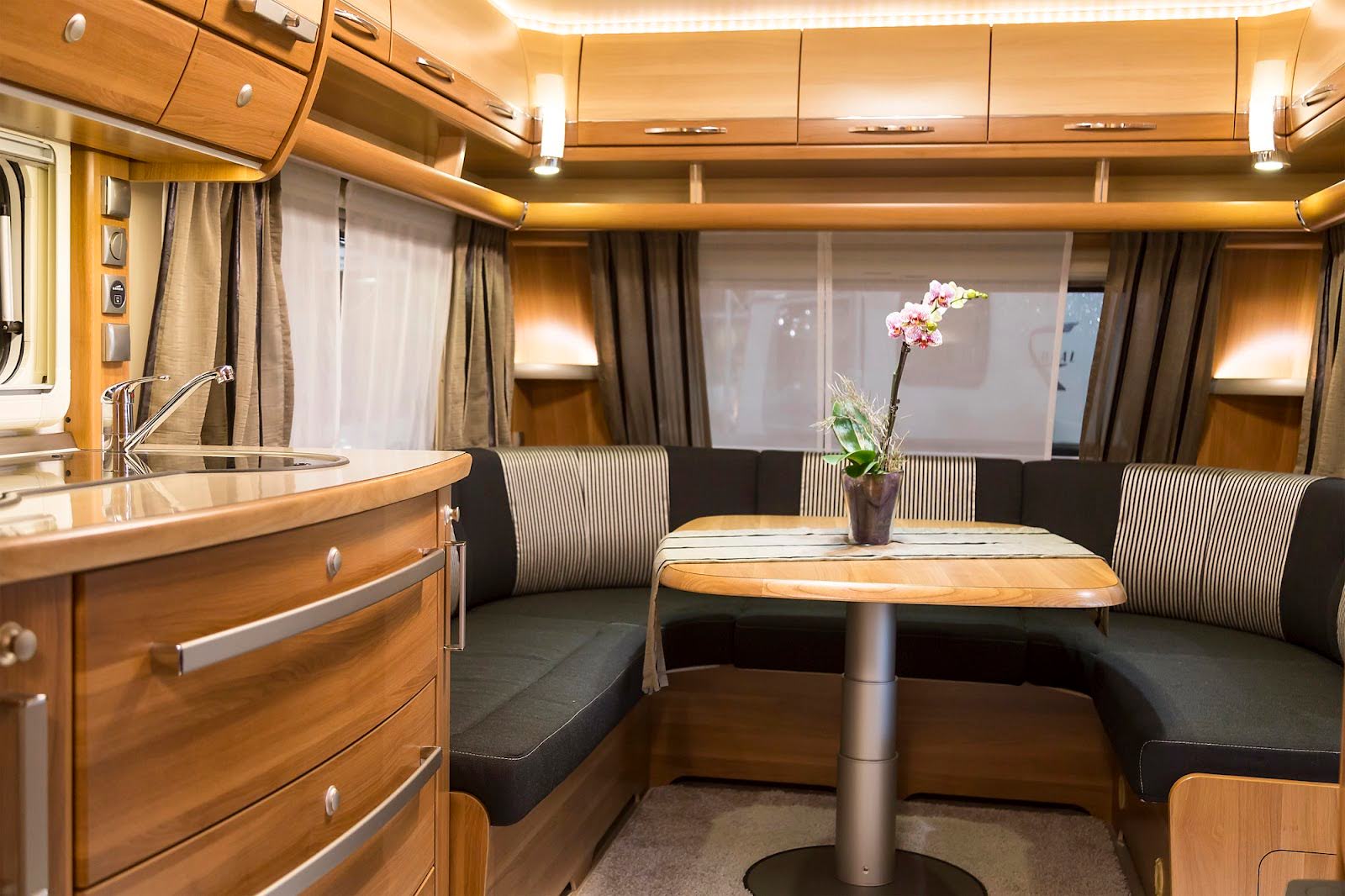
Your RV couch takes more abuse than the sofa in your home. It handles road vibration, temperature swings, humidity, food spills, pets, and constant sitting. Over time, vinyl cracks, fabric fades, and foam collapses. What once looked cozy now feels tired and flat.
The good news is you do not always need a full replacement for a travel trailer couch. In many cases, RV couch reupholstery can restore comfort and style for a fraction of the cost of buying new furniture. If you have basic tools, patience, and the right materials, DIY RV couch upholstery is realistic.
This guide walks you through how to reupholster camper couch seating step by step. You will also learn how to measure your RV couch for fabric, how to handle RV couch foam replacement, and how to choose the best fabric for RV couch durability.
What Should You Know Before Starting RV Couch Reupholstery?
RV furniture differs from residential sofas. It is lighter, often built with thinner plywood, and usually secured to the floor or wall. Many motorhome couch upholstery setups also integrate with slide-outs or fold-down beds.
Before removing anything, inspect three areas carefully:
- The frame for cracks or loose joints
- The foam for flattening or crumbling
- The mounting hardware attaching it to the RV
If the frame is solid and the hardware is intact, you can move forward with confidence.
What Tools and Materials Do You Need for DIY RV Couch Upholstery?
Preparation determines how smoothly the project will go. Gather everything before removing the original fabric. A standard list of RV upholstery tools includes a heavy-duty staple gun, a staple remover or a flathead screwdriver, needle-nose pliers, a measuring tape, upholstery scissors, and a sewing machine that can handle thick fabric. Upholstery-grade thread and spray adhesive for foam are also necessary.
For materials, select durable upholstery fabric, batting, and high-density foam if replacement is needed. Marine-grade vinyl and performance fabrics work well for motorhome interiors because they resist UV exposure and moisture.
How Do You Measure an RV Couch for Fabric Accurately?
- Start by carefully removing one cushion cover. Use a seam ripper to separate the panels without damaging them.
- Lay each piece flat and measure length and width. Add at least one inch to each edge for seam allowance.
- Measure the couch frame as well. Record seat depth, back height, arm width, and any side panels.
- Add 10 to 15 percent extra fabric to account for alignment and cutting errors.
What Is the Step-by-Step Process to Reupholster an RV Couch?
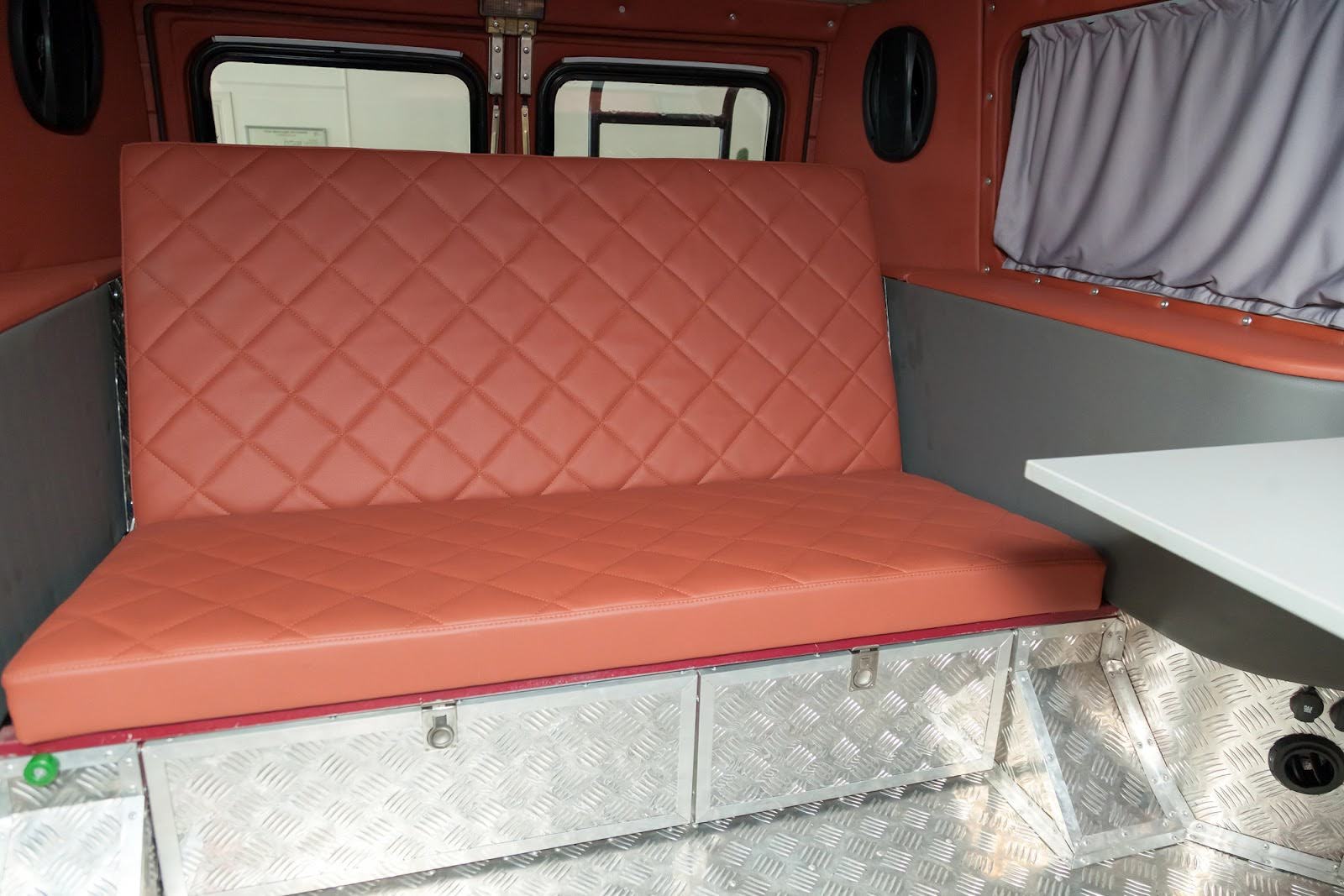
Understanding the order of operations makes the job manageable. Reupholstering RV cushions step by step prevents costly mistakes.
Step 1: Remove the Couch
Unbolt floor mounts and disconnect brackets carefully. Label hardware in small bags to simplify reinstallation.
Step 2: Remove the Old Fabric
Use pliers to pull staples. Take photos during disassembly. These reference points help during reassembly. Keep original fabric pieces intact to use as cutting templates.
Step 3: Inspect and Reinforce the Frame
Tighten screws and reinforce loose joints with wood glue or brackets. Replace damaged plywood sections if needed. A stable frame prevents sagging later.
Step 4: Replace the Foam if Necessary
If the cushions feel compressed, it’s time to replace the RV couch foam. Choose high-density foam rated for seating use. Many RV owners select 2.5 to 2.8 pound density foam for improved longevity. Use an electric carving knife to cut clean edges. Test fit before wrapping.
Step 5: Cut and Sew the New Covers
Lay old fabric panels on the new material. Trace and cut carefully. Follow the original seam structure when sewing.
Step 6: Stretch and Staple the Frame Fabric
Begin stapling at the center of each section and work outward. Pull the fabric tight but evenly to avoid wrinkles. Secure corners last for a smooth finish.
Step 7: Reinstall the Couch
Reattach cushions and bolt the couch back into position. Check slide-outs and fold mechanisms for clearance before finishing.
What Is the Best Fabric for an RV Couch That Travels Often?
RV environments require durability. Standard residential fabric often fails under sun exposure and humidity. Consider these durable materials:
- Marine-grade vinyl for moisture resistance and easy cleaning (Marine and RV upholstery materials are engineered for mobile use)
- Solution-dyed acrylic fabric for UV stability
- Performance polyester blends for stain resistance
When Should You Hire Professional RV Upholstery Services?
Professional RV upholstery services are recommended if:
- The couch integrates with slide-out beds
- The frame shows structural damage
- You want coordinated custom motorhome interiors
- You are upgrading to a luxury RV interior upgrade
A custom RV upholstery shop provides industrial stitching and material recommendations tailored to mobile environments.
Can Upholstery Specialists Reupholster RV Couches?
Yes. Auto and RV upholstery repair services allow you to avoid transporting large furniture. At AutoDoc NW, we provide on-site RV couch reupholstery, foam replacement, and custom motorhome interiors throughout Puyallup, Tacoma, and nearby areas. Our team handles marine and RV upholstery, leather restoration, and full interior upgrades.
Many clients begin with DIY RV couch upholstery research but later choose professional support for a cleaner finish and long-term durability. We assess your couch, recommend the best fabric for RV couch use, and complete the work with precision.
How Do You Maintain a Newly Reupholstered RV Couch?
1. Vacuum With the Right Attachment
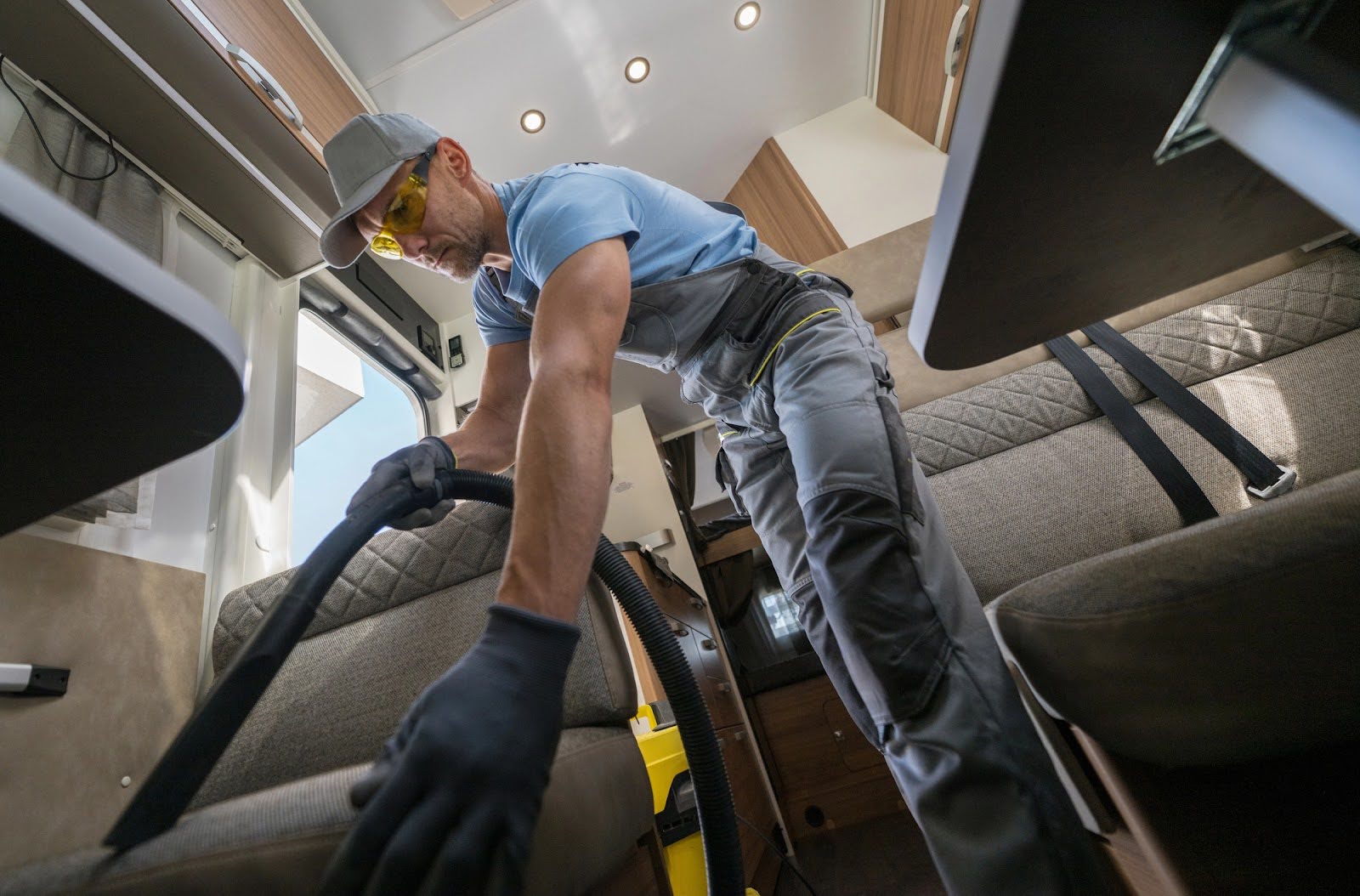
Use a soft brush upholstery attachment during regular cleaning. Dirt and fine debris settle into seams and piping. Over time, this grit wears down fibers and weakens stitching. Vacuuming once a week during peak travel season prevents premature fabric breakdown. For vinyl surfaces, wipe with a microfiber cloth first to remove loose dust before vacuuming around edges and seams.
2. Clean Spills Based on the Fabric Type
Immediate cleaning prevents stains from setting. Always follow the manufacturer’s cleaning code if available. Water-safe fabrics can be cleaned with mild dish soap diluted in warm water. Blot gently instead of rubbing. Solvent-safe fabrics require an approved upholstery cleaner. Marine-grade vinyl responds well to mild soap and water. Avoid harsh chemicals unless specifically recommended for marine and RV upholstery. Rubbing aggressively spreads stains and can damage fibers.
3. Protect the Surface From UV Exposure
Sunlight causes fading, cracking, and drying, especially in vinyl and lighter fabrics. Use window shades during extended parking. Apply a UV protectant designed for marine-grade materials every two to three months if your RV sits in direct sunlight. Parking under cover also reduces UV damage. Long-term exposure without protection shortens fabric life significantly.
4. Control Moisture and Interior Humidity
Condensation builds quickly inside RVs. Moisture trapped under cushions leads to mildew and odor. Lift cushions periodically to allow airflow beneath them. Use moisture absorbers during storage months. If storing your RV for extended periods, consider removing cushions and placing them in a dry, climate-controlled space. Managing humidity protects both fabric and foam core.
5. Rotate Cushions to Reduce Compression
Seat cushions compress over time, especially in frequently used spots. Rotate cushions every one to two months during active travel periods. If they are reversible, flip them to distribute pressure evenly. This simple practice delays the need for RV couch foam replacement and helps maintain uniform comfort.
6. Inspect Stitching and Underside Fasteners
Road vibration places stress on seams and staples. Inspect the underside of the couch and cushion seams twice a year. Look for loose fabric, minor seam separation, or staple movement. Addressing small issues early prevents major upholstery failure later.
7. Respect Weight Limits and Support Structure
RV couches often use lightweight plywood frames. Excess weight strains joints and mounting brackets. If the couch converts into a bed, ensure all support legs are properly extended before use. Consistent structural support prevents frame damage that could require professional repair.
Is Reupholstering Better Than Replacing an RV Couch?
In most cases, yes. Reupholstering retains the original frame that fits your RV layout. It costs less than replacement and allows personalized fabric selection. Replacement is necessary only if the frame is beyond repair. Motorhome couch upholstery projects often deliver dramatic improvements without changing the furniture footprint.
How Does AutoDoc NW Make RV Couch Reupholstery Easier and Longer-Lasting?
If your RV couch feels flat, torn, or outdated, AutoDoc NW provides a practical solution without the hassle of trial and error. We offer mobile auto and RV upholstery repair throughout Puyallup, Tacoma, and nearby areas, so you do not need to move your RV.
We begin with an on-site inspection of the frame, foam density, stitching, and mounting hardware. Many RV couches fail due to low-grade foam, so we install high-density replacements built for travel and repeated use. We use marine-grade vinyl and UV-resistant fabrics that withstand sun exposure and moisture.
Our industrial sewing equipment ensures tight seams, clean corners, and proper tension. From simple RV couch reupholstery to full custom motorhome interiors, we deliver durable results that look factory-finished and feel comfortable for years on the road.
Give Your RV Interior the Upgrade It Deserves
When your couch starts to sag, crack, or fade, the entire interior feels worn out. Reupholstering gives you control over comfort, style, and durability without replacing furniture that still has good structure.
If you enjoy hands-on projects, DIY RV couch upholstery can be a satisfying way to refresh your space. But if you want precise stitching, long-lasting materials, and a professional finish, that is where we step in.
At AutoDoc NW, we handle RV couch reupholstery, foam replacement, custom motorhome interiors, and full interior upgrades. We bring our tools and experience directly to you, so your RV gets expert care without the hassle of transport.
Ready to upgrade your RV interior? Contact us today and let us restore comfort, style, and function to your couch with craftsmanship you can trust.
Frequently Asked Questions
How long does RV couch reupholstery typically last?
A properly reupholstered RV couch can last 7 to 15 years, depending on fabric choice, foam density, and usage. Marine-grade vinyl and high-performance fabrics hold up better to sun exposure and temperature changes. High-density foam also prevents early sagging. Quality installation plays a major role. Loose fabric tension or low-grade staples can shorten the lifespan significantly.
Can I reupholster an RV couch without removing it from the vehicle?
In some cases, yes. If the couch is not bolted to the floor or integrated into a slide-out bed system, light re-covering can be done inside the RV. However, full RV couch reupholstery that includes foam replacement or frame repair almost always requires removal. Working outside the RV allows proper fabric stretching and cleaner staple placement.
Is it possible to match my RV couch to the rest of the interior?
Yes. Many upholstery suppliers offer coordinated vinyl and fabric collections designed for motorhomes and travel trailers. A professional Custom RV upholstery shop can also source marine and RV upholstery materials that match captain chairs, dinette cushions, and wall panels. Exact dye-lot matching may not always be possible if the original material is discontinued, but close coordination is still possible.
Does upgrading foam really make a difference in comfort?
Absolutely. Replacing the RV couch foam is one of the most noticeable upgrades you can make. Many factory RV cushions use lower-density foam to reduce weight and cost. Upgrading to higher-density foam improves support, reduces pressure points, and extends cushion life. It also prevents the “bottoming out” feeling common in older camper sofas.
How do professionals price RV couch reupholstery projects?
Pricing depends on fabric grade, cushion count, foam replacement needs, and structural repairs. Straight bench-style couches cost less than curved or multi-section motorhome couch upholstery. Mobile service may also affect labor pricing. Professional RV upholstery services typically provide estimates after measuring the couch and inspecting the frame condition to ensure accurate quotes.