Pricing starts at $200 for a repair

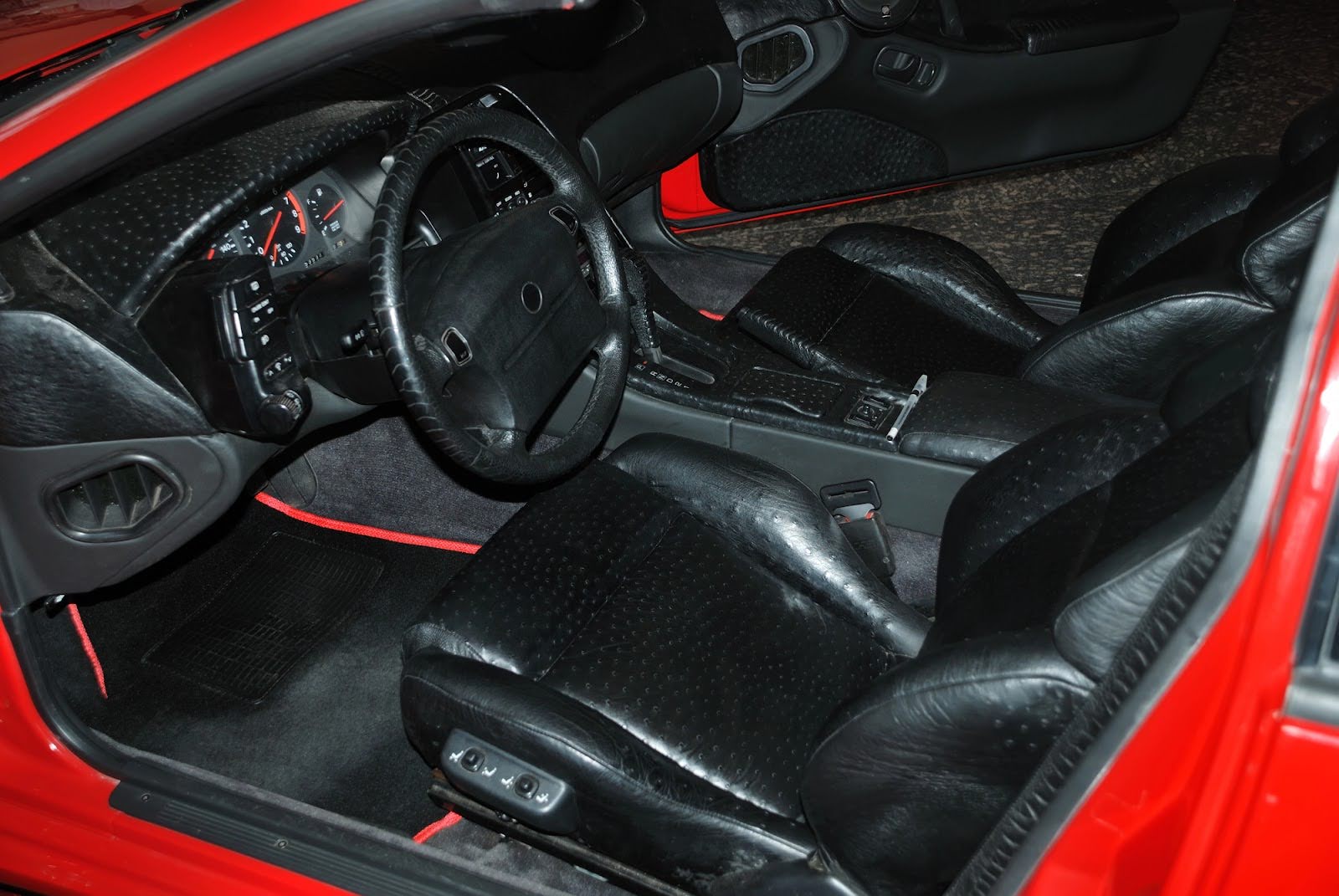
Car seats take a beating. Based on the Automotive Fleet Magazine report, drivers in the U.S. spend 293 hours per year behind the wheel. Add kids, pets, food, and sun exposure, and your seat fabric or leather will eventually crack, stain, or sag. By 2026, more vehicle owners are choosing restoration over replacement because new car prices continue to rise and interior upgrades increase resale value.
If your seats look worn but the vehicle still runs strong, reupholstery makes sense. This complete automotive upholstery guide walks you through how to reupholster seats in a car at home, what tools you need, how much auto upholstery costs, and when DIY stops making sense.
Can I Reupholster My Car Seats Myself?
Yes, you can reupholster car seats at home. Many beginners complete basic fabric replacements with patience and the right tools. The real question is skill level and expectations.
A simple cloth seat repair is manageable for most homeowners. A full custom car seat upholstery process using leather, heated seat elements, or airbags requires more precision. If your seats contain integrated airbags, proceed with caution. Disconnect the battery and follow the manufacturer’s guidelines. Mistakes can compromise safety systems.
But, before you begin, assess the following first:
- Seat condition (Is the foam intact or crumbling?)
- Vehicle age (Does it have side-impact airbags?)
- Material type (Cloth is easier than leather)
- Time commitment (A single seat can take 4 to 8 hours for beginners)
What Tools and Materials Do You Need for a Professional Finish?
A home sewing machine works for cloth. For leather, it requires a heavy-duty machine or professional stitching. Other tools and materials needed are:
- Socket wrench set for seat removal
- Hog ring pliers and hog rings
- Heavy-duty scissors or rotary cutter
- Upholstery needles and polyester thread
- Heat gun for vinyl and leather stretching
- Spray adhesive for foam bonding
Best Auto Upholstery Materials in 2026
Cloth fabric remains one of the most affordable car upholstery DIY options. It is easier to stitch, breathable, and suitable for daily drivers. Vinyl is water-resistant and easier to clean, which makes it popular for trucks, work vehicles, and family cars. Leather offers a premium look and can improve resale value, but it requires careful stretching and precise stitching. DIY mistakes in leather are harder to hide.
Always choose materials specifically rated for automotive use. Car interiors experience extreme temperature swings that household furniture fabrics are not designed to handle. Using proper automotive-grade materials ensures durability, safety, and a longer lifespan for your finished seats.
How Do You Reupholster a Car Seat?
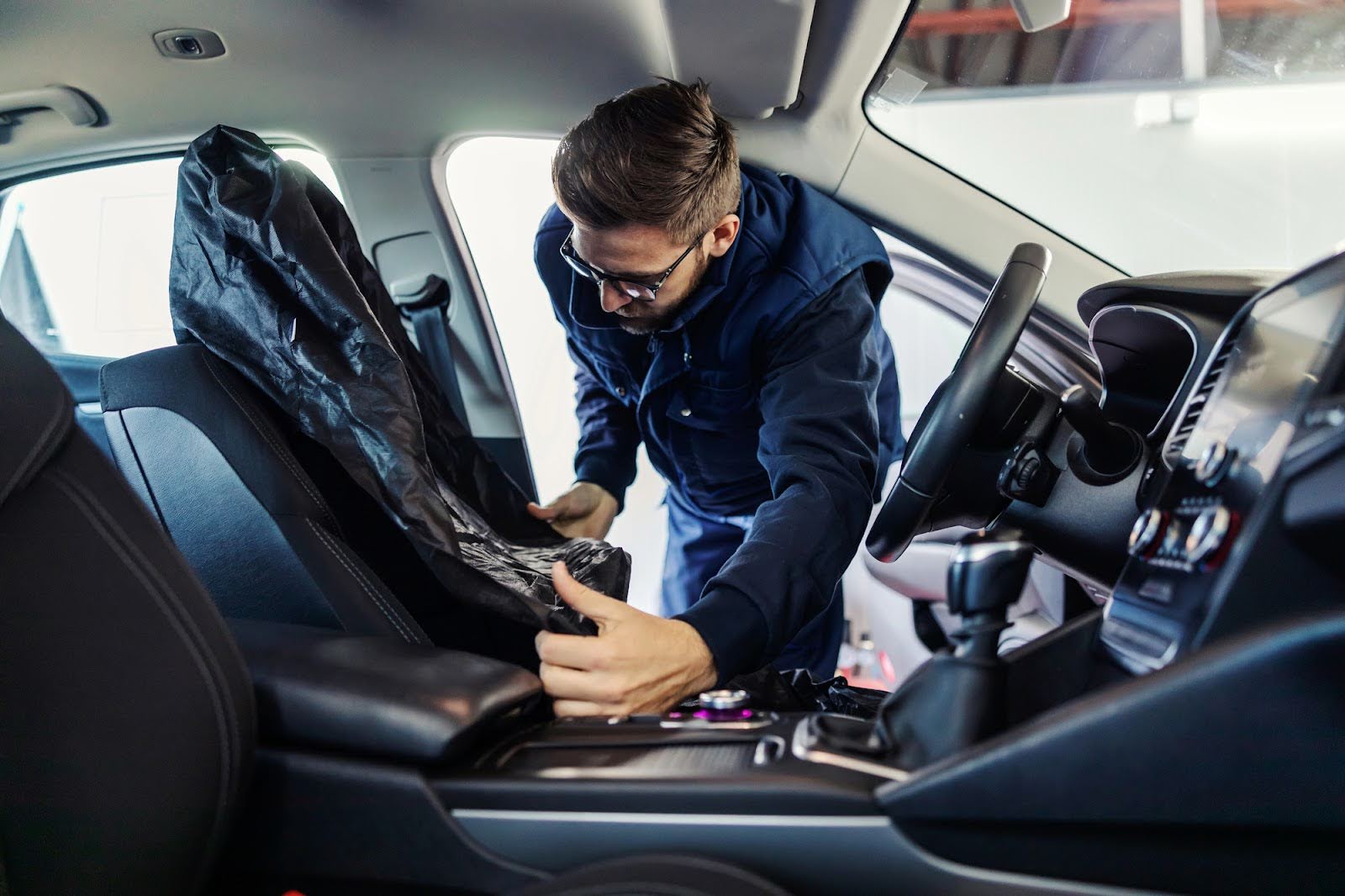
1. Remove the Seat Safely
Disconnect the battery first. This prevents airbag activation. Remove mounting bolts and unplug electrical connectors. Lift the seat carefully from the vehicle.
2. Document the Original Layout
Take detailed photos from multiple angles. Pay attention to seams, attachment points, and foam contours. This becomes your car seat fabric replacement guide.
3. Remove Old Upholstery
Cut hog rings securing the fabric. Peel the material away slowly. Keep old pieces intact. You will use them as templates. After that, inspect the foam padding. If it feels brittle or uneven, plan to replace the seat padding. Foam breakdown causes sagging and discomfort.
4. Repair or Replace Foam
Minor cracks can be filled with foam repair adhesive. Deep damage requires new foam sections. Shape foam using an electric carving knife for smooth contours. This step in the seat padding replacement tutorial dramatically improves comfort.
5. Cut New Fabric or Leather
Lay old upholstery panels flat. Trace onto new material with chalk. Add seam allowance if needed. Accuracy at this stage determines fit.
Step 6: Stitch Panels Together
Follow original seam lines. Reinforce stress points with double stitching. For DIY leather car seat upholstery, use heavy thread and a slow stitching speed.
Step 7: Stretch and Secure
Fit the new cover over the foam. Use heat to soften vinyl or leather for better stretch. Attach using hog rings at the original anchor points. Work from the center outward. Smooth wrinkles before final securing.
Step 8: Reinstall the Seat
Reconnect wiring. Bolt the seat back into place. Reconnect the battery and test electronics.
Is It Easy to Reupholster Car Seats for Beginners?
It depends on the seat design. Flat bench seats are simpler. Modern bucket seats with contours and airbags increase difficulty. For beginners, car interior upholstery works best when starting with cloth seats in older vehicles. If the project feels too complex, professional auto upholstery repair ensures safety and long-term durability
What Is the Best Material for Car Seat Upholstery in 2026?
Material selection impacts performance and value.
- For daily drivers: Automotive cloth balances comfort and cost.
- For luxury upgrades: Genuine leather boosts resale value.
- For trucks and marine environments: Marine-grade vinyl resists moisture.
- For eco-conscious drivers: Synthetic leather alternatives reduce maintenance and cost.
Heat, UV exposure, and humidity matter. In warm climates, ventilated leather or performance fabric reduces cracking and fading. Choosing the best auto upholstery materials requires balancing aesthetics, durability, and budget.
How Much Does Auto Upholstery Cost Compared to DIY?
| Expense Category | DIY Cost (Per Seat) | Professional Cost (Per Seat) | Notes |
|---|---|---|---|
| Fabric or Leather | $50 to $300 | Included in total price | Cost depends on material type and quality. Leather is higher. |
| Foam Repair Materials | $30 to $100 | Included in total price | Needed if seat padding is worn or sagging. |
| Tools (if not owned) | $100 to $250 | Not required | One-time investment for hog ring pliers, heat gun, sewing supplies. |
| Labor | Your time | $300 to $1,000 | Varies by material, seat complexity, airbags, and stitching detail. |
| Full Vehicle Leather Upgrade | Varies | $2,000+ | Luxury leather interiors increase cost significantly. |
DIY car upholstery steps reduce labor costs, making DIY car upholstery more affordable and appealing to budget-conscious owners. However, errors in cutting, stitching, or stretching material can increase costs quickly if you must redo the job.
When evaluating how much auto upholstery costs, factor in your skill level, available time, and desired finish quality. For simple cloth seat updates, DIY may work well. For complex leather installations or airbag-equipped seats, professional installation often delivers better long-term value.
When Should You Skip DIY and Call a Professional?
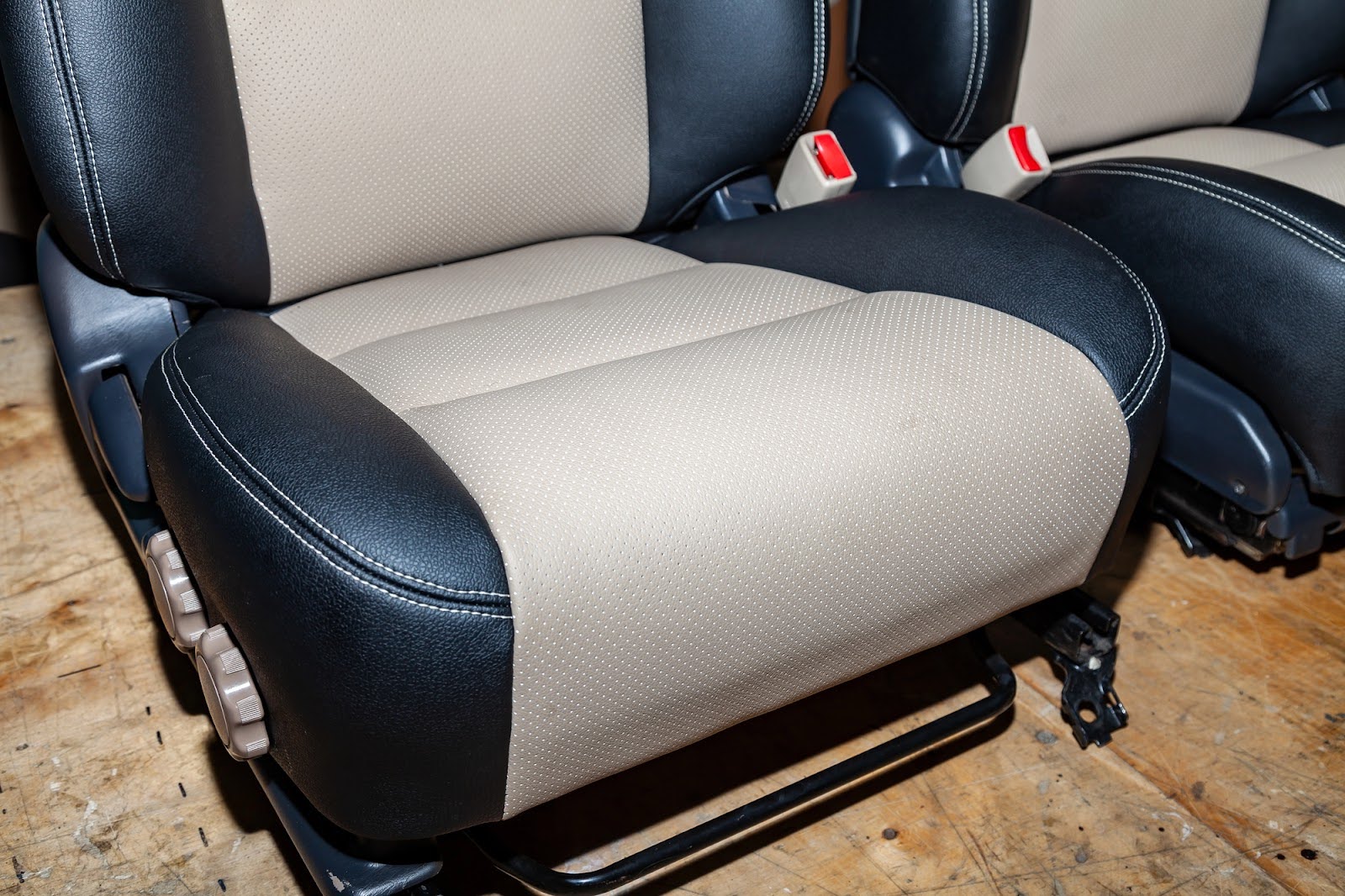
DIY works well for small tears and basic seat cover replacements. Modern automotive interiors are far more complex. Power seat controls, airbag seam stitching, heating elements, and built-in sensors require precision and experience. A small mistake can affect your vehicle’s safety systems or reduce its value.
Professional upholstery becomes the smarter option when leather requires exact color matching to blend repairs seamlessly. It also makes sense when airbag stitching must remain compliant with manufacturer standards. Custom seat patterns, upgraded interior designs, and multi-seat restoration projects demand accuracy that most beginners struggle to achieve. If your vehicle holds strong resale value, professional craftsmanship protects that investment.
For drivers in Washington State, mobile service adds another layer of convenience. At AutoDoc NW, we provide auto upholstery repair throughout Washington. We repair cracked leather, restore damaged vinyl, replace worn fabric, and complete full interior upgrades. With more than 25 years of hands-on experience, we deliver factory-level results without requiring you to visit a shop.
Is DIY Reupholstering Right for You?
Reupholstering car seats at home can save money and give you control over design. Still, it requires steady hands, proper tools, and patience. If you want clean stitching, tight material fit, and long-term durability, professional service may be the smarter route.
At AutoDoc NW, we have restored thousands of interiors across Washington. We handle auto furniture, RV motorhome, airplane, boat and marine upholstery repair. We bring our mobile service directly to you and deliver results that look factory-finished.
If your seats need repair or a full interior refresh, contact us today and let us restore your vehicle with craftsmanship that lasts.
Frequently Asked Questions
How long does it take to reupholster a single car seat?
For a beginner working carefully at home, expect four to eight hours for one standard seat. Complex bucket seats with bolsters, airbags, or power components can take longer. A professional with proper tools and experience can often complete the same job in two to four hours, depending on the material and seat condition.
Do I need to replace the foam when reupholstering a seat?
Not always. If the foam feels firm, holds its shape, and shows no crumbling or deep compression lines, it can often be reused. However, if you notice sagging, uneven support, or powdery breakdown, replacing or rebuilding the foam will improve comfort and extend the life of the new upholstery. Installing new material over damaged foam leads to poor fit and faster wear.
Can I change the seat color when reupholstering?
Yes, you can change the color during reupholstery. This is common in custom car seat upholstery projects. Keep in mind that changing the seat color may require updating the door panels, center console trim, or stitching accents to maintain a balanced interior look. If resale value is a concern, neutral tones tend to appeal to a wider range of buyers.
Will reupholstering affect my seat airbags or safety systems?
It can if done incorrectly. Many modern seats contain side airbags and occupancy sensors. Stitching patterns and seam placement must allow airbags to deploy properly. Disconnecting the battery before removal and reconnecting all wiring correctly is critical. If you are unsure about airbag stitching or sensor calibration, professional installation is recommended for safety.
How do I maintain newly reupholstered car seats?
Maintaining your vehicle’s upholstery depends on the material. Fabric should be vacuumed regularly and treated with stain protection. Vinyl requires gentle cleaning with non-abrasive products. Leather needs conditioning every few months to prevent cracking. Avoid harsh chemicals and excessive heat exposure. Proper care extends the life of your new upholstery and preserves its appearance.