Pricing starts at $200 for a repair

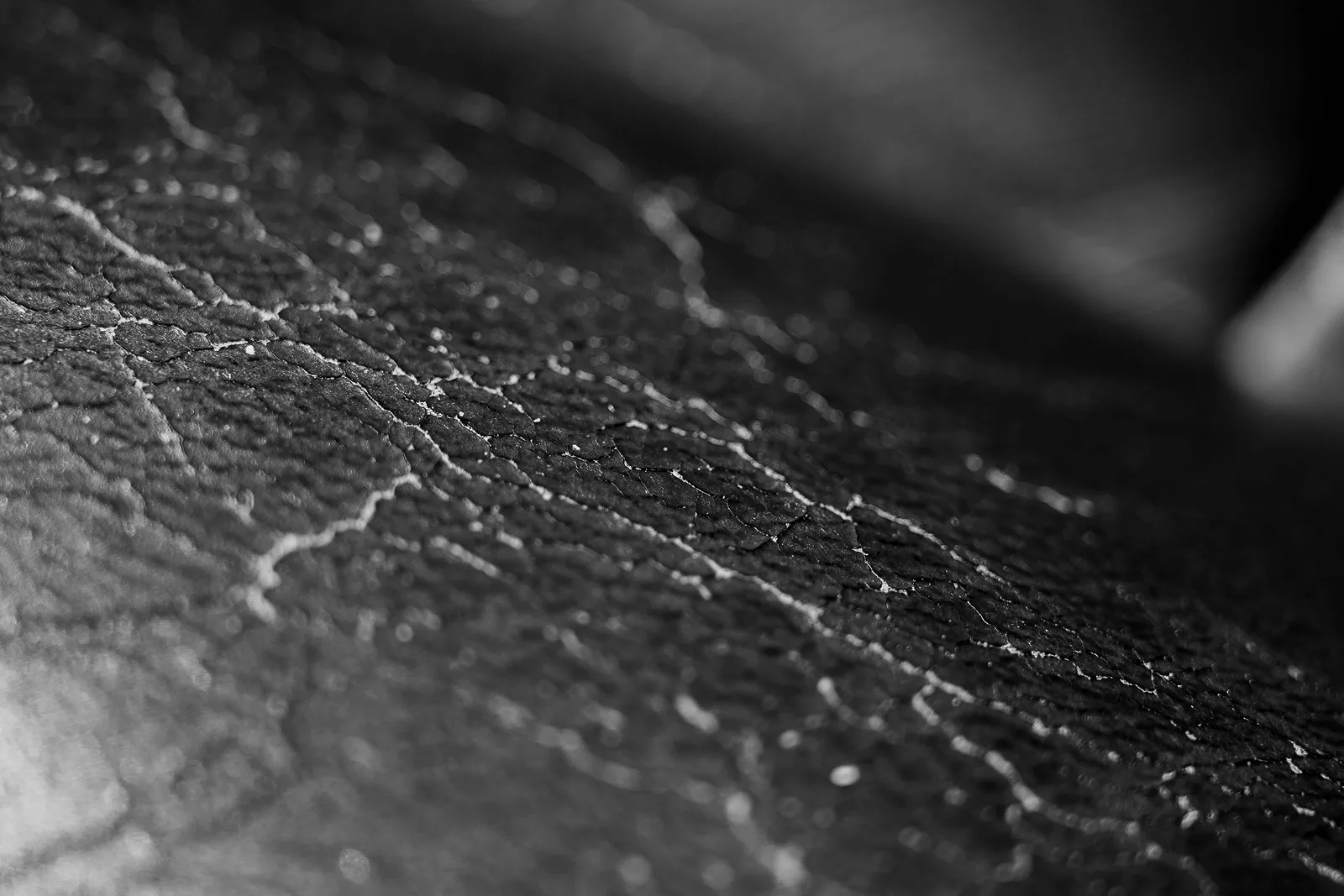
Your vehicle’s leather seats are more than just a place to sit—they’re a key part of your car’s comfort, resale value, and overall aesthetic. So when wear and tear shows up, you’re left with an important decision: Should you repair your leather seats, or replace them entirely?
Let’s break down when a leather seat restoration makes sense—and when a full replacement might be the better move.
The Problem: Leather Seats Don’t Age Gracefully
Leather is durable, but it’s not immune to damage. Over time, it can crack, fade, tear, or become stained. Sun exposure, moisture, pets, kids, or just everyday use can lead to wear that affects both the look and comfort of your seats.
But not all damage is created equal. Some imperfections are cosmetic and easily fixable. Others compromise the integrity of the leather itself.
So how do you know which path to take?
Why It Matters: Save Time, Money, and Frustration
Jumping to replacement can be expensive—especially when a quality repair could restore your seats to like-new condition. On the flip side, investing in repairs when the leather is beyond saving can mean throwing good money after bad.
That’s why it’s worth taking a closer look. Knowing the signs and understanding your options helps you make the smart, cost-effective choice.
When to Choose Leather Seat Repair
Leather seat repair is an excellent solution when the damage is minor to moderate—and when the leather’s structure is still intact. Repairs can address common issues that come with daily wear, environmental exposure, or minor accidents, without the cost or downtime of full replacement.
Here’s when you’re likely a good candidate for restoration:
- Surface cracks or fading: Over time, UV rays and heat can cause the leather’s outer surface to dry out and fade. If the damage is limited to the top layer and hasn’t penetrated deeply, a skilled technician can restore color, texture, and softness with professional conditioning and dye-matching treatments.
- Minor tears or punctures that haven’t spread: Small rips from keys, zippers, pet claws, or dropped tools can often be repaired seamlessly. With high-quality fillers and adhesives, these spots can be reinforced to prevent further tearing while blending into the surrounding leather.
- Scuffs, scratches, or abrasions: If your leather seats are showing signs of rough use—especially on high-contact areas like seat edges or bolsters—targeted repair can smooth and recondition these spots without replacing entire panels.
- Stains or discoloration: Spilled drinks, food, or even cleaning chemicals can leave unwanted stains on your seats. If the stain hasn’t deeply penetrated the leather’s surface, it can often be cleaned and re-dyed to match the original color.
- General wear that still holds its shape: If your leather seats look tired but aren’t cracked through or sagging, repairs and reconditioning can revitalize them and extend their life significantly.
At AutoDoc NW, we use color-matching techniques, fillers, and high-quality leather treatments to bring your seats back to life—without the cost of new upholstery.
When It’s Time to Replace Leather Seats
Sometimes, leather damage goes beyond the surface. When that’s the case, trying to patch it up may only offer a short-term solution—and could even cost you more in the long run. If your seats are showing signs of deeper wear or structural failure, replacement may be the smarter and more durable choice.
Here are some clear signs that it’s time to consider a full replacement:
- Deep cracks, multiple large tears, or stretched seams: If the leather has split in several places or the seams have begun to pull apart, these issues can compromise both the appearance and function of the seat. Repairs might temporarily improve the look, but the leather is likely too worn to hold up over time.
- Severely dried-out or brittle leather: Leather that hasn’t been conditioned regularly can dry out and lose its elasticity. If the material feels stiff, flaky, or starts to crumble, no amount of reconditioning will restore its flexibility—and replacement is the only way to ensure long-term durability and comfort.
- Damaged foam or structural breakdown beneath the leather: Leather is just the outer layer. If the seat padding underneath is flattened, misshapen, or broken, simply repairing the leather won’t fix the comfort or support. In these cases, full replacement gives you the opportunity to rebuild both the surface and internal structure for a seat that feels as good as it looks.
- Previous failed repairs or DIY fixes: Sometimes well-intentioned patch jobs or at-home kits can do more harm than good. If prior repairs have cracked, peeled, or mismatched color-wise, replacement may be the cleanest, most cost-effective way to reset and avoid further frustration.
- You want to upgrade the look or feel: Even if the leather is still somewhat functional, you may want a fresh start. Replacement gives you the option to switch to a new color, texture, or finish—whether you’re upgrading for resale value or just want to fall in love with your interior again.
When done professionally, seat replacement can breathe new life into your entire vehicle interior. It’s an investment, yes—but it’s also a long-term solution that can restore your car’s luxury feel and resale value.
Not Sure Which Option Is Right? Let’s Take a Look
Every situation is different, and the best choice depends on the condition of your seats, your budget, and how long you plan to keep your vehicle. That’s where we come in.
At AutoDoc NW, we specialize in honest, expert assessments. Whether your leather needs a quick fix or a full refresh, we’ll walk you through the options so you can make the call that’s right for you—and your ride. Let’s restore your comfort and confidence behind the wheel. Contact us today for a free evaluation.