Pricing starts at $200 for a repair

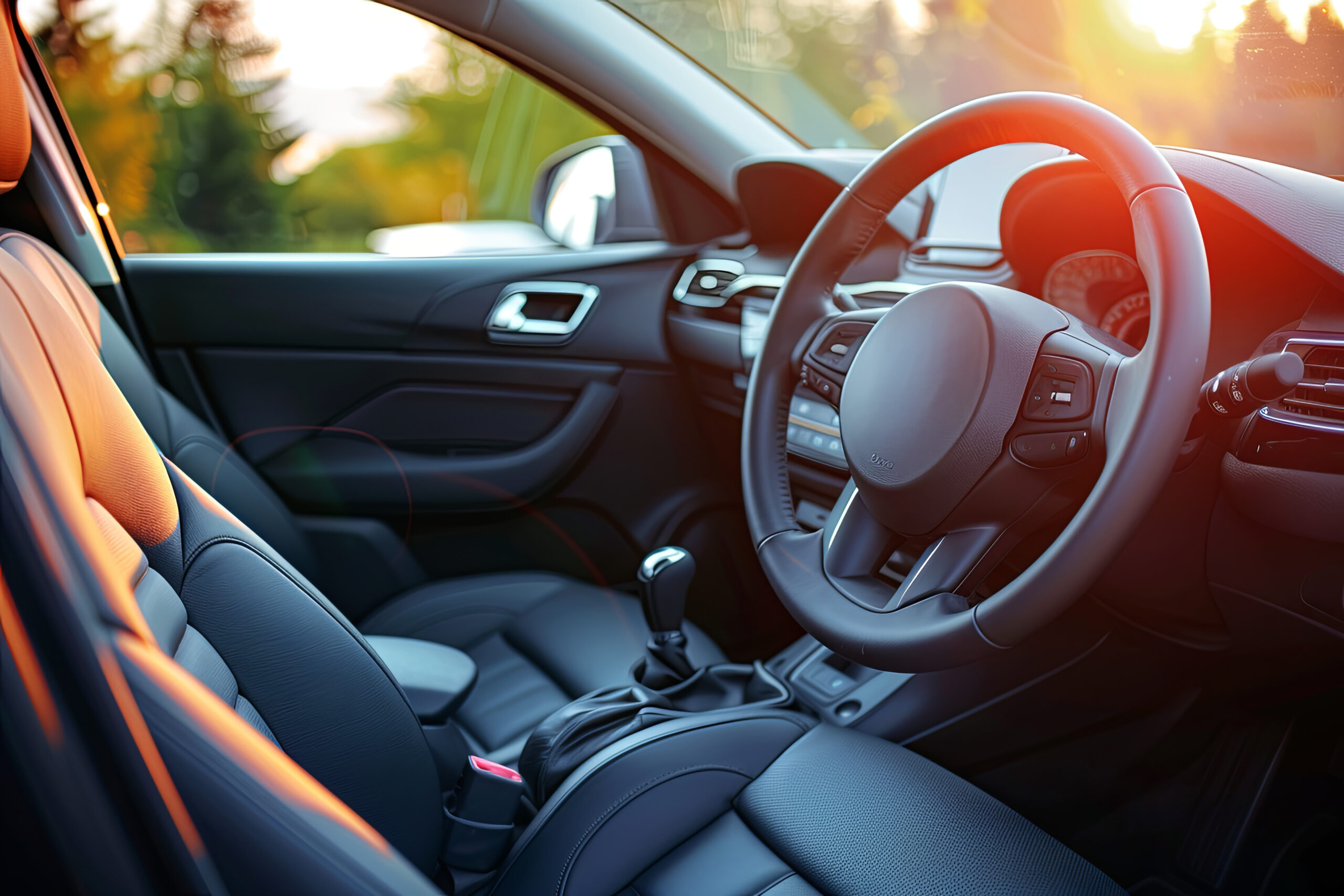
If you are comparing vinyl vs cloth seats, vinyl is easier to clean and usually holds up better against spills, while cloth feels softer and more comfortable in changing temperatures. The better choice depends on how you use your vehicle, who rides in it, and how much upkeep you want to do.
For drivers with kids, pets, work gear, or frequent messes, vinyl often makes daily life easier. For long commutes and all-season comfort, cloth can feel better right away. Neither option is perfect, and neither is always the best fit.
In this guide, you will see how vinyl and cloth compare in comfort, durability, cleaning, cost, and long-term value so you can choose with more confidence.
Which Seat Material Feels Better on Daily Drives?
Cloth usually wins on comfort. It has a softer hand, a less slick surface, and better airflow. That matters on long drives, during temperature swings, and in cars that sit outside for hours.
Vinyl can feel firmer and less breathable. In hot weather, it can heat up quickly. In cold weather, it can feel stiff until the cabin warms up. Some drivers do not mind that tradeoff because they value easier maintenance. Others notice it every day, especially on commutes or road trips.
Comfort also depends on what sits under the material. Foam density, seat shape, and cushion support matter just as much as the top layer. A well-built vinyl seat can still feel supportive. A worn cloth seat with collapsed foam can feel terrible. So when comparing cloth vs vinyl seats, do not judge the material alone. Examine the seat in its current condition.
Which One Handles Spills, Dirt, and Pets Better?
Vinyl is the easier material to live with if your car gets messy. Drinks, snack crumbs, muddy shoes, wet jackets, and pet hair are all easier to manage on a smooth surface. In most cases, you can wipe vinyl clean with a soft cloth and a proper interior-safe cleaner.
Cloth absorbs more. That means spills can sink into the fibers and padding below if they are not cleaned right away. It also tends to trap pet hair, dust, and odor more than vinyl. Once moisture gets into the foam, cleanup becomes harder, and smells can linger.
For families, rideshare drivers, contractors, and dog owners, this one point often settles the vinyl seats vs cloth debate. If low-maintenance ownership matters most, vinyl has the edge.
Which Material Lasts Longer Under Real-World Wear?
Durability depends on use, sun exposure, and care, but vinyl usually has the advantage against day-to-day abuse. It resists many common messes, does not absorb liquids as cloth does, and works well in vehicles that get heavy use.
That said, vinyl is not damage-proof. Over time, it can crack, dry out, split at stress points, or peel if the material is of poor quality or the seat is exposed to heat and friction for years. Cloth does not crack, but it can fray, stain, snag, fade, and wear thin in high-contact areas like seat bolsters and center panels.
If your priority is long-term durability with easier cleanup, vinyl is often the safer bet. If your priority is comfort and you are willing to clean spills quickly, cloth can still hold up well.
How Do Heat, Cold, and Sun Change the Experience?
Temperature is one of the biggest reasons drivers prefer one material over the other. Cloth stays more neutral in changing weather. It does not get as hot in direct sun and does not feel as cold on winter mornings. That makes it more forgiving if your vehicle is parked outside.
Vinyl reacts more to temperature. In full sun, it can feel hot fast. In cold weather, it can feel firm and chilly until the cabin warms up. Sun exposure can also dry the surface over time, especially if the vehicle is not protected from the sun with shade, window tint, or vinyl-safe conditioning products.
For drivers in warmer climates or vehicles with heavy sun exposure, comfort often leans toward cloth. For work vehicles and family vehicles where easy cleanup matters more, many people still choose vinyl and manage heat with seat covers or windshield shades.
What Costs More Over Time: Cloth or Vinyl?
The price question is not only about what you pay up front. It is also about cleaning, repairs, and how soon the interior starts to look worn.
Cloth can be less expensive in many factory trims, but stains and absorbed spills may lead to deep cleaning costs or earlier replacement of seat panels and foam. Vinyl may cost more in some cases, but it can save time and money on upkeep because routine cleanup is simpler.
Repair costs also depend on the extent of the damage. A small tear in vinyl may be repairable if treated early. A badly cracked or peeling section may need panel replacement. Cloth can sometimes be patched or reupholstered, but stain damage and worn fabric often spread beyond the visible spot. The best material is the one that fits your driving habits, your passengers, and the level of maintenance you want to do.
Which Choice Makes More Sense for Families, Work Trucks, and Commuters?
| Driver Type | Better Fit | Why It Usually Makes More Sense |
| Families | Vinyl | Vinyl is easier to wipe clean after spills, snack messes, muddy shoes, and pet hair. It works well for busy vehicles that get dirty fast. |
| Work Trucks and Fleet Vehicles | Vinyl | Vinyl handles tough daily use better in many cases. It is more practical for mud, tools, uniforms, and frequent entry and exit. |
| Commuters and Daily Drivers | Cloth | Cloth usually feels softer and breathes better, which can make long drives more comfortable. It is often the better fit for drivers who want comfort over quick cleanup. |
How Can We Help If Your Seats Are Already Worn, Torn, or Stained?
Seat material matters, but condition matters just as much. A worn vinyl seat can split fast once the surface dries out. A cloth seat with trapped moisture can stain deeper and start to smell. We help solve that problem by repairing damaged car seat surfaces, restoring worn areas, and guiding customers on when repair makes sense and when replacement is the smarter choice.
At Auto Doc NW, our work is built around convenience, too. We come to you for many repairs, which makes the process easier if your car is your daily driver. We also work on more than standard passenger vehicles, including RVs, boats, airplanes, and furniture upholstery services.
What Should You Choose If You Want the Best Balance of Comfort and Durability?
Ask yourself a few simple questions. Do kids or pets often ride with you? Do you eat in the car? Is your vehicle parked in direct sunlight? Do you want a seat that feels softer, or a seat that cleans up faster? Those answers usually make the choice clear.
In the end, vinyl vs cloth seats is not about picking a universal winner. It is about choosing the material that fits your routine, climate, and cleanup habits. When seat damage starts to show, we at Auto Doc NW can help you restore comfort and extend the life of your interior before the problem gets worse. Contact us today.
Frequently Asked Questions
Can vinyl seats be repaired if they start cracking or peeling?
Yes, in many cases they can. Small cracks, splits, seam damage, and worn surface areas are often repairable if caught early. Peeling is more difficult because it can indicate surface failure over a larger area. A professional inspection helps determine if a targeted repair will hold up or if the panel should be replaced for a better long-term result.
Do cloth seats hold odors more than vinyl seats?
Yes. Cloth tends to absorb moisture, body oils, food spills, and smoke particles more easily than vinyl. That can make odors harder to remove, especially if the spill reaches the padding under the fabric. Vinyl does not absorb odors the same way, so routine cleanup is usually easier and more effective.
Is vinyl a good choice for older vehicles or resale prep?
It can be. Vinyl is often a practical option for drivers who want a cleaner-looking interior with less maintenance. It can also make sense for resale prep when the goal is to improve appearance and make the cabin easier to keep clean. The better choice still depends on the vehicle, the trim level, and the condition of the rest of the interior.
Do seat covers solve the problem if the original material is damaged?
Not always. Seat covers can hide stains or surface wear, but they do not fix torn material, weakened seams, or broken-down foam underneath. In some cases, they can even shift and wear unevenly over damaged spots. If the original seat has structural wear, proper repair usually yields better results and lasts longer.
How do I know if my seat problem is cosmetic or a sign of more serious damage?
A cosmetic issue usually affects only the top surface, such as light staining, fading, or minor scuffing. More serious damage often shows up as loose seams, cracked material, exposed backing, flattened foam, or a seat that feels uneven when you sit down. If the seat has lost support or the damage spreads when pressure is applied, it is usually more than a surface issue and should be looked at sooner.