Pricing starts at $200 for a repair

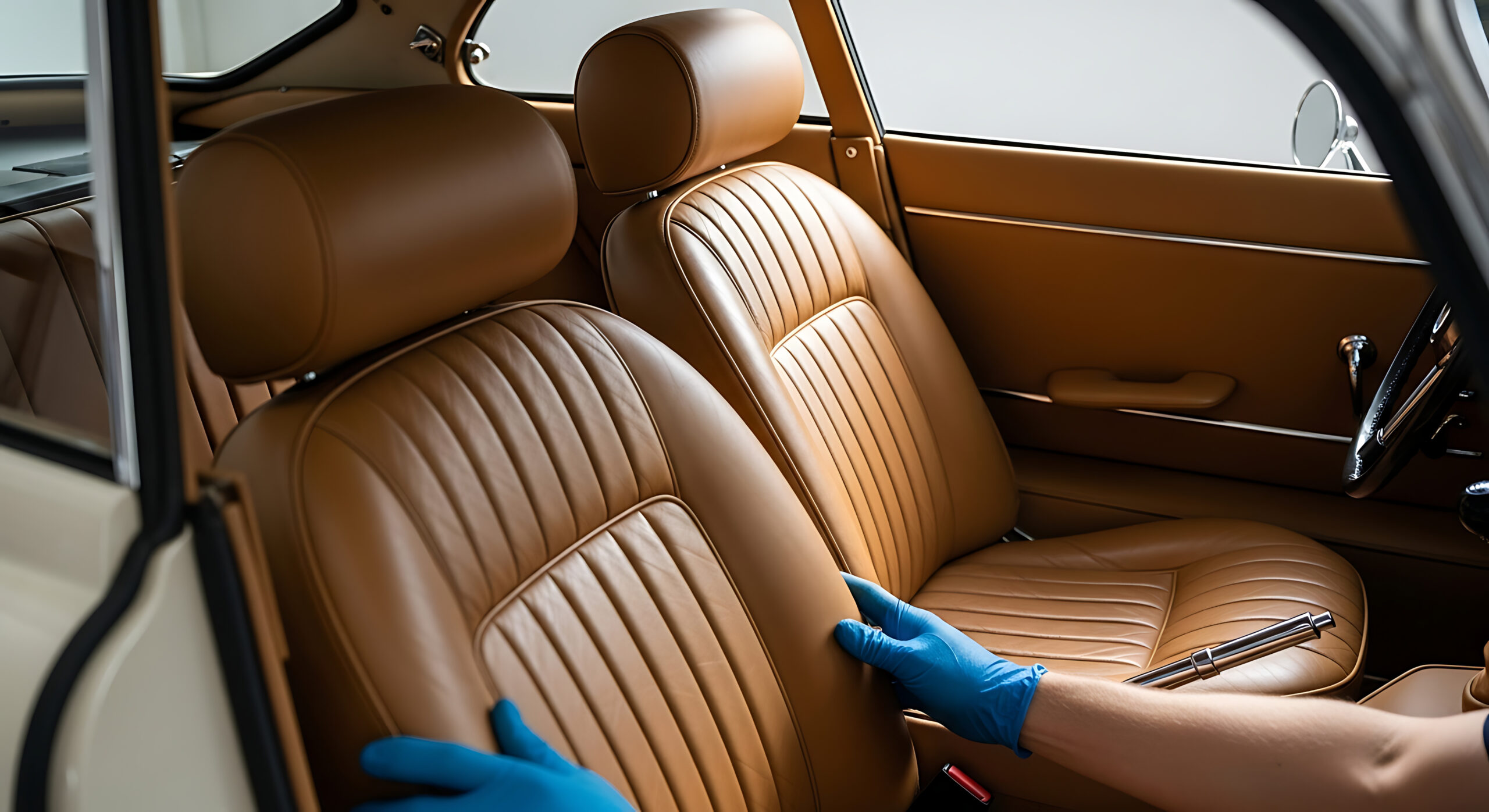
Auto interior repair is the process of fixing worn, torn, stained, cracked, or sagging parts of your vehicle’s interior rather than replacing the entire interior.
In most cases, common fixes include torn seat panels, cracked leather, split vinyl, collapsed seat foam, sagging headliners, stained fabric, worn carpets, and damaged trim. Costs can remain fairly modest for small repairs, but they rise when the damage spreads, the material is harder to match, or the seat has airbags, sensors, or heating.
In this guide, you will get a clear look at the most common repairs, what drives the price, and how to decide between a simple fix, partial reupholstery, or a full interior refresh.
What Counts as Auto Interior Repair, and Which Problems Show Up Most Often?
Most drivers think of seat tears first, but car interior repair covers much more than a ripped cushion. Common signs your car’s upholstery needs attention include leather repair, vinyl patching, cloth seat repair, foam rebuilding, carpet replacement, headliner work, armrest repair, door panel restoration, steering wheel rewrapping, and dashboard crack repair. Repair shops also deal with fading, stains, cigarette burns, seam failure, and sagging that make a seat feel flat or uneven.
The most common trouble spots are the driver’s seat bottom, the outer bolsters, the center inserts, the armrests, and the roof liner. These areas take daily friction from getting in and out of the car, sun exposure, spilled drinks, body oils, and general wear and tear. If the seat foam has broken down, the surface material may not be the only issue. A clean-looking patch on top of weak foam usually will not hold up for long.
That is why a good repair starts with the cause of the damage, not just the visible tear. A proper fix should restore support, appearance, and durability simultaneously.
When Can a Repair Save the Original Interior?
A repair is often the smart choice when the damage is still contained to one section. Small rips, seam splits, light cracking, isolated burns, faded panels, and minor foam wear can often be repaired without replacing the full seat cover. Leather and vinyl can sometimes be filled, textured, and color-matched. Fabric panels can often be patched or replaced in sections. Headliners can sometimes be reattached, but full replacement is common when the backing material has failed.
Repair becomes less practical when the interior has widespread cracking, multiple failed seams, severe water damage, mold, heavy odor, or badly deteriorated foam across several sections. In those cases, partial reupholstery or full replacement usually gives a better long-term result. The same goes for interiors with poor past repairs. A fast cosmetic patch may look fine for a short time, but it can peel, shrink, or show a clear mismatch later.
What Makes Auto Interior Repair Cost More or Less?
The biggest cost drivers are material, damage size, labor time, and seat complexity. Fabric and vinyl repairs usually cost less than leather. Premium leather, suede-style materials, perforated panels, and specialty stitching take more time and skill. The bill also goes up when the technician has to work around airbags, seat heaters, occupancy sensors, or model-specific trim pieces.
A few quick examples help set expectations:
- Minor seat patch repair in fabric or vinyl often lands in a lower range than a full seat recover.
- Leather repair can stay reasonable for a small tear, but larger damage may move into hourly labor.
- Headliner replacement can cost more than drivers expect because removal, prep, adhesive work, and reinstall all take time.
Which Repair Options Make Sense for Leather, Vinyl, Fabric, and Headliners?
The best repair option depends on the surface and the structure underneath it.
Leather usually needs cleaning first, then filler or compound for small cracks and tears, texture blending, and color matching. Good leather work can look excellent, but perfect matching gets harder on older interiors that have faded unevenly. That is one reason beige and light-tone seats can be harder to blend than people expect.
Vinyl is durable and easier to maintain than leather, but once it splits, the repair needs flexibility. If the patch is too stiff, it will fail when the seat flexes. Fabric repairs depend heavily on panel layout. A worn insert can often be replaced cleanly if matching material is available. A random patch in the middle of a visible panel tends to show.
Headliners are their own category. When the fabric sags, the root problem is often the failing foam backing, not just loose glue. That is why quick adhesive fixes do not always last. Many headlight jobs are better handled as replacements, especially in older vehicles.
When Is DIY Fine, and When Should a Pro Handle It?
DIY can work for light cleaning, surface conditioning, small stain removal, and some repair-kit touch-ups. A small repair can be done at home in about 3 hours and costs far less than a full recovery, but it also shows how much prep, cleaning, filler work, texture matching, and color blending are involved.
That is the catch. A home repair may save money up front, but visible cracks are hard to fake. If the grain pattern is off, the color is close but not exact, or the surface dries too stiff, the damage may stand out even more than before.
Professional auto upholstery repair is the better move when the seat includes airbags, electrical components, broken stitching, collapsed foam, large tears, or specialty materials. It is also the better move when you care about resale value. Interior repairs are easy to judge up close. A sloppy repair lowers trust fast.
How Can a Mobile Upholstery Team Solve the Problem Faster?
Convenience matters more than many drivers admit. A mobile service can inspect damage at your home or workplace, review photos in advance, and handle many repairs without the extra time required to drop off your car at a shop. That is especially helpful for work vehicles, family cars, and drivers trying to avoid downtime.
We handle that problem directly through Auto Doc NW. We provide mobile upholstery repair for leather, vinyl, and fabric seats, and we work on all makes and models. We also serve drivers across Pierce County and South King County, providing local customers with a practical alternative to a traditional car upholstery shop visit. Beyond auto work, we also repair RVs, boats, airplanes, and furniture upholstery.
Professional Interior Repairs Make a Lasting Difference
A good auto interior repair is not just about covering damage. It is about restoring comfort, protecting value, and fixing the problem before it spreads into foam, seams, or trim. Small tears, split seams, stains, and sagging panels can often be handled without replacing everything, but the right option depends on the material, the location of the damage, and the condition underneath the surface.
When you want a repair that looks clean, holds up, and saves you time, we are here to help. At Auto Doc NW, we bring mobile upholstery repair to you and give honest guidance on what should be repaired, reupholstered, or replaced. Contact us today.
Frequently Asked Questions
Will the repaired area match the rest of the interior exactly?
A skilled repair can come very close, but an exact match is not always possible on older interiors. Sun fading, age, wear patterns, and material changes over time all affect the final result. In many cases, the repaired section blends in very well. Still, a professional should be honest if a perfect match is unlikely, especially on aged leather, faded vinyl, or discontinued fabrics.
Is it better to repair one damaged seat panel or reupholster the whole seat?
That depends on how far the damage has spread. If the issue is limited to one panel and the rest of the seat is in solid shape, a panel repair or replacement is usually the better value. If multiple sections are cracked, loose, or worn thin, full reupholstery may make more sense because it gives a more consistent finish and may last longer.
Can bad interior damage point to bigger problems inside the vehicle?
Yes, sometimes it can. Water stains on carpet or headliners may point to leaks around windows, doors, sunroofs, or seals. Moldy odor can signal trapped moisture. Torn seat material can also hide broken foam or damaged seat structure underneath. That is why a proper inspection matters. A surface fix alone will not solve a deeper issue if the underlying cause remains.