Pricing starts at $200 for a repair

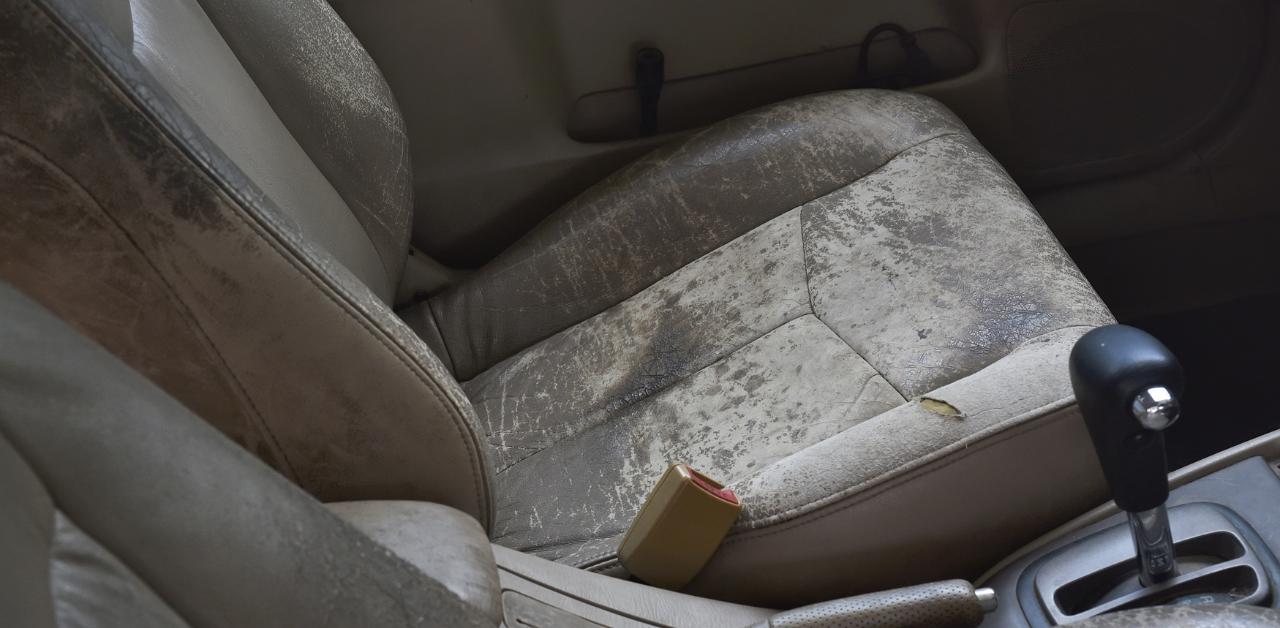
A ripped leather car seat can often be repaired if the damage is small to moderate and the leather around it remains strong. In most cases, the repair involves cleaning the area, trimming loose edges, placing a backing material under the tear, applying flexible filler in thin layers, and blending the color so the seat looks natural again.
If the leather is brittle, the seam is failing, or the foam under the seat is damaged, a section replacement or full upholstery repair usually lasts longer. Professional repair methods also rely on thin layers, a backing patch, and color matching to help the fix hold up and blend in.
In this article, you will learn how leather car upholstery is repaired, when a simple fix can work, and when a professional repair is the better option.
What Causes Leather Car Upholstery to Rip in the First Place?
Leather seats rarely rip out of nowhere. Most tears start after months or years of friction, heat, sun exposure, and pressure on the same spot. The outer bolster on the driver’s seat takes the most abuse because it gets dragged across every time someone gets in and out. Over time, the leather dries out, loses flexibility, and starts to crack. Once that happens, even a small snag from a key, a rivet, a pet nail, or a tool can turn into a visible tear.
Age also matters. Older leather becomes less elastic, so it cannot stretch and recover as easily as when it was new. Poor cleaning habits can speed that up. Dirt works like fine sandpaper, and harsh cleaners can strip protective finish from the surface.
How Do You Fix Torn Upholstery in a Car?
Stabilize the damaged area first, then rebuild the surface so it does not keep spreading. For leather, the usual repair path starts with cleaning. After that, the torn edges are trimmed if needed, a backing patch is placed under the rip, adhesive is applied to secure the area, and flexible filler is applied in thin coats. Once the surface is level, the color is matched and sealed.
That process works best for cuts, small holes, minor punctures, and tears that have not reached the point of total leather failure. It is also the reason a rushed patch job often fails. If the backing is weak or the filler is too thick, the repair can crack, sink, or peel later.
Professional auto upholstery repairs hold up better because the damaged area is prepared correctly and finished to match the original seat’s grain, sheen, and color.
How Should You Assess the Tear Before You Try to Repair It?
Before doing DIY upholstery, consider four factors: size, depth, placement, and leather condition.
A small surface cut on a flat panel is far easier to repair than a long split on a high-stress seam. The location matters because seat bolsters flex every time someone enters the car. If the tear sits on a seam, the stitching may be part of the problem. In that case, filler alone will not solve it.
You should also press gently around the damaged spot. If the leather feels dry, flaky, or stiff, the issue may go beyond the rip itself. Leather in poor condition can keep tearing next to the repair. Finally, check the foam under the seat cover. If it has collapsed, the leather above it may continue to pull and wrinkle.
How Do You Repair a Small Rip Without Making It Look Patched?
A good repair should not draw attention from across the cabin. That means the goal is not only to close the tear. The goal is to make the seat look even, feel smooth, and wear naturally.
- Start by removing dirt and body oils from the damaged spot. Clean surfaces accept adhesive and filler better.
- Next, trim loose fibers or lifted edges with care. Then place a backing patch under the tear to support the leather from below. This step gives the repair structure.
- After that, apply the flexible filler in thin layers rather than a single thick coat. Let each layer dry before adding the next one.
- Once the surface is level with the surrounding leather, lightly smooth it, then apply matched color in thin coats. Finish with a protective topcoat.
Professional guidance for leather hole and tear repair emphasizes backing the damaged area, applying thin filler coats, and allowing proper cure time before use.
When Does a DIY Fix Stop Being Worth It?
DIY repair kits can help with minor damage, especially if the tear is short and the leather around it is still healthy. Still, not every seat is a good DIY candidate.
A home fix usually stops making sense when the tear is long, the seam has split, the color match is exact, or the leather has become brittle. The same goes for damage on luxury interiors, perforated seats, ventilated seats, and heavily worn driver bolsters. Those areas show every mistake. If a repair fails there, it often looks worse than the original damage.
Past repair attempts can also complicate the job. Old glue, thick filler, and store-bought patch material may need to be removed before the seat can be repaired properly. In severe cases, replacing one damaged panel is more durable than trying to rescue the original section. Auto Doc NW’s own guidance notes that deep cracks, multiple large tears, brittle leather, damaged foam, and failed past repairs are strong signs that your car upholstery needs replacement, and may be the better option.
How Much Does It Cost to Repair Torn Leather Car Seat Damage?
If you are wondering how much it will cost to repair a torn leather car seat, it depends on the size of the tear, the seat location, the leather type, the color match, and how much rebuilding the technician has to do. A small clean cut on one panel costs less than a tear on a bolster with foam damage or seam failure.
For this client, the site states that pricing starts at $200 for a repair and that quotes depend on the material, damage, and vehicle model. That is why photos matter. A clear photo of the seat, along with the vehicle year, make, and model, can help narrow the likely repair path before anyone shows up.
Always remember that repairing a tear early is usually cheaper than waiting for it to widen, dry out, and pull on the seam.
Why Does Professional Color Matching Matter So Much on Leather Seats?
Leather repair is not just about closing the rip. If the color is off, the repair still looks unfinished. Car interiors are tricky because leather changes over time. Sunlight, heat, and daily wear can fade one section more than another, especially on the driver’s seat.
That means a repair technician is not only matching the original factory color, but also ensuring that the repair is done correctly. They are matching the seat as it looks today. The sheen matters too. A patch that is too glossy or too flat will stand out even if the color is close. Thin color coats and the right finish help the repair fade into the rest of the panel, which is part of why professional leather repair can look much cleaner than a simple stick-on patch.
Where Can Drivers Turn When the Seat Needs More Than a Quick Patch?
Some rips need more than a kit and a free afternoon. That is where a skilled upholstery repair service makes a real difference. At Auto Doc NW, we repair leather, vinyl, and fabric seats, handle cuts, tears, fading, stains, and loss of form, and offer mobile service for many jobs so drivers can skip the hassle of dropping the vehicle off at a shop. We also serve Pierce County and South King County.
This matters for car owners who want the repair to look right, hold up, and fit the original interior. It also matters when the damage is on a high-wear spot that needs more than a cosmetic cover-up.
What Is the Smartest Next Step After You Notice a Tear?
The smartest move is to stop the damage from getting worse. Do not keep sliding across the torn area, and do not cover it with a random adhesive patch. Clean the seat gently, take clear photos, and get the damage assessed while it is still small enough to repair cleanly.
A ripped leather seat does not always mean full replacement. Many tears can be repaired if the leather still has strength and the fix is done with the right backing, filler, and color work. When the damage is more serious, the better solution may be a panel replacement or a larger upholstery repair.
If your seat is torn, cut, faded, or starting to split, we can help you figure out the right fix before the damage spreads. Contact us today to get a quote.
Frequently Asked Questions
Can a ripped leather car seat get worse if it is left alone?
Yes. A small rip often spreads because the seat flexes every time someone gets in or out of the car. Heat, body weight, and friction put more stress on the damaged area, especially on the driver’s seat bolster. What starts as a minor tear can turn into a larger split that is harder to repair cleanly.
Will a leather repair feel stiff after it is fixed?
A proper repair should stay flexible. Good leather repair products are designed to move with the seat rather than harden or become brittle. If the repair feels stiff, too much filler may have been used, or the material may not have been suited for automotive leather. That can lead to cracking later.
Can you repair a tear on a perforated leather seat?
Yes, but it takes more care than a standard leather panel. Perforated seats are harder to repair because the hole pattern affects both appearance and flexibility. The repair has to blend with the surrounding material without making the area look flat or blocked off. In some cases, replacing the damaged section gives a better result.
Does leather conditioner fix a torn seat?
No. Conditioner helps keep leather soft and can slow down drying and cracking, but it does not repair an actual tear. Once the leather has split, the damage needs a structural repair with proper backing and surface restoration. Conditioner works better as part of ongoing care after the repair is complete.
Is it better to repair the seat now or wait until the damage is more noticeable?
It is better to repair it early. Smaller tears are usually easier to stabilize, blend, and protect before the surrounding leather weakens. Waiting gives the damage more time to spread and can turn a simple repair into a more involved upholstery job.